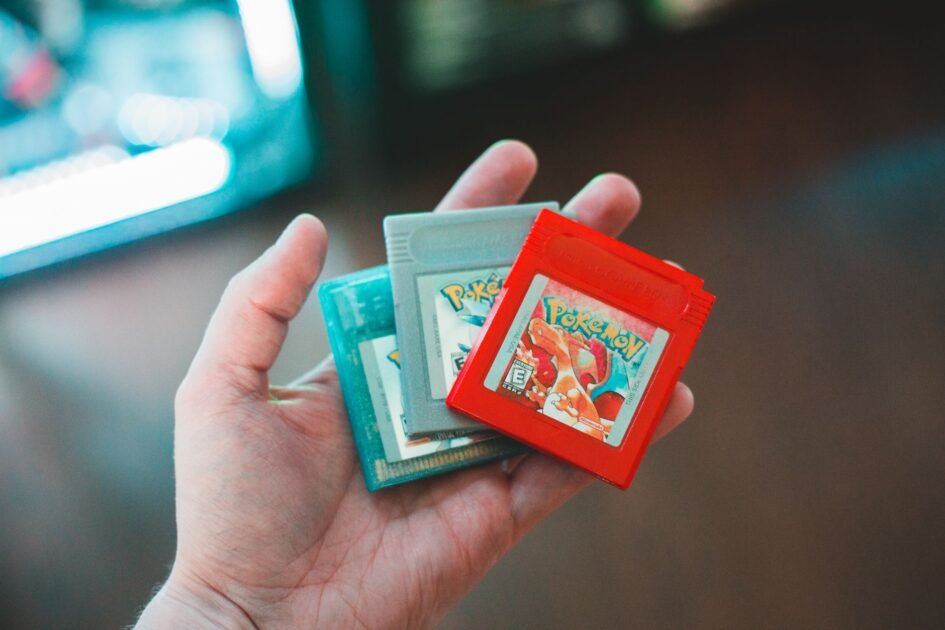
Do you ever find yourself spending hours in a game, not necessarily to beat the final boss, but just to find that one last hidden collectible? You’re not alone. Collecting items in video games has become a massive part of the gaming experience for many players. It adds a whole new layer to gameplay, offering rewards and a sense of completion beyond just finishing the main story.
It’s more than just shiny things to grab. These collectibles can be anything from character outfits and lore entries to powerful upgrades or even secret endings. They encourage players to explore every nook and cranny of a game’s world. Sometimes, these hidden items can even unlock new abilities or areas, making the search feel truly worthwhile.
Why Do We Love to Collect?
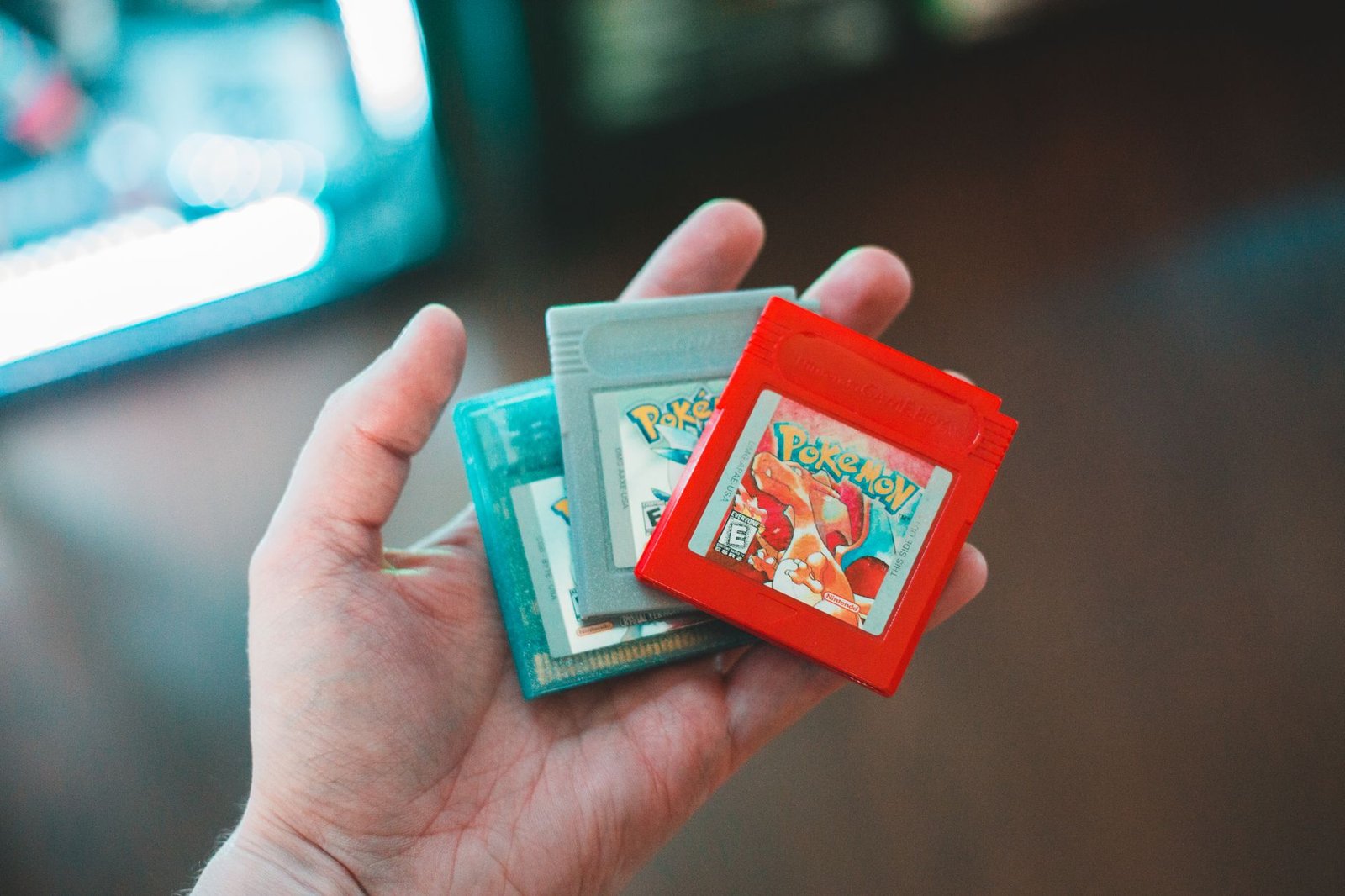
There’s a psychological pull to collecting in games. It taps into our innate desire to complete tasks and achieve goals. When we see a counter for collectibles, like “50 out of 100,” it creates a clear objective. Finishing that counter gives us a satisfying sense of accomplishment.
Games are designed to reward us for our efforts. Finding a rare item or completing a set can trigger a dopamine rush. This reward system makes the often-tedious task of hunting down every last item feel good. It’s a way for developers to keep players engaged with their worlds long after the credits have rolled.
Types of Collectibles
The variety of collectibles out there is huge. Some games offer simple cosmetic items, like different hats for your character in Super Mario Odyssey. Others hide lore fragments that piece together the game’s backstory, like the audio logs in BioShock. These bits of story can completely change how you understand the game’s plot.
Then there are the functional collectibles. These might be hidden weapon upgrades, like the Red Orbs in Devil May Cry, which you use to buy new moves. Or maybe they’re keys to unlock special doors, or even pieces of a larger puzzle that reveals a secret level. The Legend of Zelda series is famous for its Heart Pieces, which permanently increase Link’s health when he collects four of them.
The Lore Hunter
For some players, the story is king. Collecting lore entries, journal pages, or audio diaries isn’t just about 100% completion; it’s about understanding the world they’re in. Games like Fallout use these collectibles to build incredibly deep and often tragic backstories for their post-apocalyptic worlds. Reading through the scattered notes left behind by the dead gives you a real connection to the people who lived there.
These pieces of narrative often reveal hidden motivations of characters or explain mysterious events. They can add a profound depth to the experience. Without them, the game’s world might feel a bit hollow. The effort to find them is repaid with a richer, more complete understanding of the game’s universe.
The Completionist
For others, the ultimate goal is seeing “100% Complete” on the save file. These players are driven by the challenge and the bragging rights. They will meticulously search every corner of the map, often using online guides when they get stuck. The satisfaction comes from knowing they have mastered the game in its entirety.
This mindset can lead to discovering things most players miss. Sometimes, these completionists find glitches or hidden mechanics that even the developers might have forgotten about. Their dedication can lead to amazing discoveries about how games are made and how they can be played.
The Reward Seeker
Many players collect for the tangible rewards. This could be unlocking a secret character, a special costume, or even a completely different ending to the game. Games like Ratchet & Clank often hide rare weapon upgrades or valuable bolts that help players progress. The promise of a powerful new tool or a unique cosmetic makes the hunt exciting.
Sometimes, these rewards are purely cosmetic, allowing players to show off their dedication. Think about the unique armor sets you can earn in Elden Ring by completing difficult optional quests that often involve finding hidden items. These rewards feel earned and offer a visual representation of the player’s journey.
The Dark Side of Collecting
While collecting can be fun, it’s not always a perfect experience. Sometimes, collectibles can feel like padding. Developers might add a large number of easily missed items just to artificially increase the game’s playtime. This can lead to frustration rather than enjoyment.
The pressure to collect everything can also detract from the core gameplay. Players might rush through beautiful environments, ignoring the main quest just to tick off a checklist. This can ruin the intended pacing and narrative flow of the game. It turns a fun activity into a chore.
Memorable Collectibles in Gaming History
Certain collectibles have become legendary in gaming. The Golden Bananas in Donkey Kong 64 are infamous. There are 81 per level, totaling 101 in the game, and collecting them all is a monumental task. It’s a prime example of a game that leaned heavily into collecting, for better or worse.
On the other hand, the Jiggies in Banjo-Kazooie feel more integrated into the fun. Each Jiggy is a reward for completing a small puzzle or overcoming a challenge within the game’s colorful worlds. They feel like natural milestones in your adventure.
The Chocobos in the Final Fantasy series, especially those you could race and breed, were often tied to finding hidden items or special gear. These weren’t just stats; they were beloved characters that players invested time in caring for, and that care often involved collecting the right items for them.
Collecting in Modern Games
Even in today’s high-fidelity games, collecting remains a popular feature. Games like Marvel’s Spider-Man 2 (2023) include a vast number of collectibles scattered across New York City, from photo opportunities to hidden tokens. These often reward players with new suits or suit modifications, giving them fun cosmetic choices.
Baldur’s Gate 3 (2023) offers a different kind of collection, focusing on lore books and unique items that can alter your character’s abilities or provide new quest options. The sheer volume of discoverable items adds to the immense replayability of these deep RPGs.
The Future of Collectibles
As games become more complex and expansive, collectibles will likely continue to evolve. We might see more dynamic collectibles that change based on player actions or even AI-driven collectibles that offer unique challenges. Imagine finding an item that only appears once in a player’s entire playthrough, making it truly special.
Ultimately, the appeal of collecting in video games comes down to the rewards, the exploration, and the sense of mastery it provides. When done right, it enhances the gaming experience, encouraging players to see and do more within the digital worlds developers create. It’s a simple mechanic, but one that has proven its staying power in the hearts of gamers worldwide.
Leave a Reply