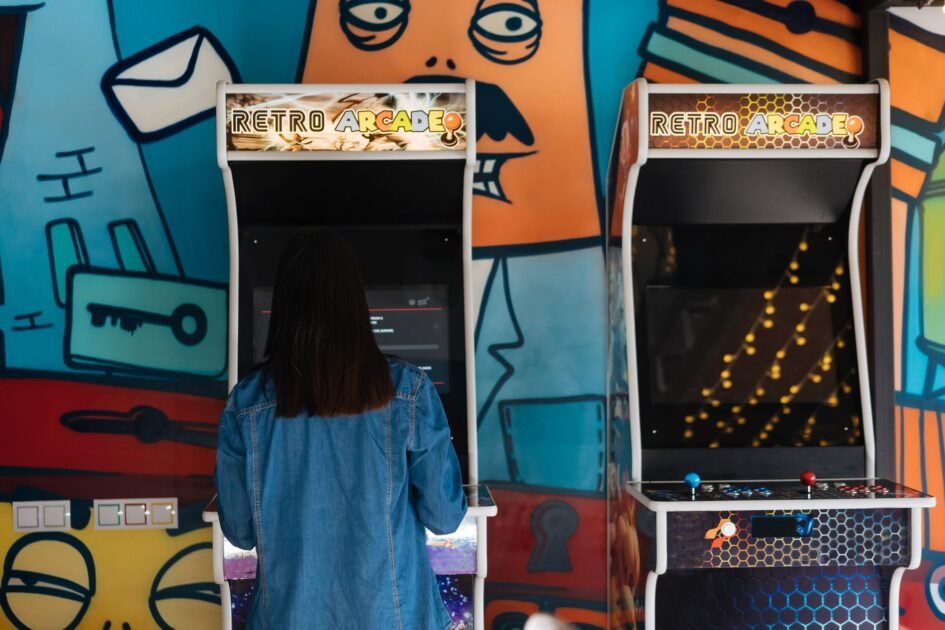
Games don’t just get released and then disappear. Many games that weren’t a big hit at first find new life. Sometimes this happens years later. It’s like a forgotten song getting a new sound. Or a movie getting a sequel nobody expected.
This idea of a game making a comeback is really interesting. It shows that a game’s story can be longer than its launch day. Developers sometimes look back at their older titles. They might see potential that wasn’t there or that people missed. Player communities also play a big role. They keep older games alive and show developers why they still matter.
From Flop to Fan Favorite: Unexpected Resurrections
Think about games that didn’t sell well at first. Maybe the graphics were a bit dated for the time. Or perhaps the marketing just didn’t hit the right people. But then, something changes.
A popular streamer might discover the game. They play it for their millions of followers. Suddenly, everyone is talking about it. The game gets a second chance. This happened with games like Stardew Valley. It wasn’t a massive launch. But word of mouth and its charming gameplay made it a huge success over time. Another example is Among Us. It was released in 2018 but exploded in popularity in 2020. This was thanks to streamers and the game’s simple, social nature.
These comebacks aren’t always about luck. Sometimes, developers actively work to revive their games. They might release a big update. Or a remaster with better graphics and new features. This can bring back old fans and attract new ones. It shows a commitment to the game and its world.
The Power of Player Passion
Players are the real keepers of gaming history. Even when a game is years old, dedicated communities keep it alive. They create mods. These are modifications made by fans that change or add to the game. Mods can fix bugs. They can add new content. They can even completely change how a game looks and plays. This keeps the game fresh and exciting for existing players. It also makes it more appealing to new players.
For example, games like Skyrim, released in 2011, are still incredibly popular. This is largely thanks to the massive modding community. People have added everything from new quests and characters to completely different visual styles. This keeps the game relevant and offers endless replayability.
Online forums and social media are also important. Players share tips, strategies, and their own creations. They create fan art and write stories. This kind of engagement shows developers that their games are valued. It can inspire them to invest more in the game or its future. It creates a feedback loop. Players show love, developers respond, and the game grows.
Developer Decisions: A Second Chance at Life
Sometimes, developers see a game’s potential after launch. They might not have had the resources to fix everything before release. Or they might have a new idea for how to improve it. This leads to major updates or re-releases.
One notable case is No Man’s Sky. When it first launched in 2016, it faced a lot of criticism. Players felt it didn’t live up to the promises. But the developers at Hello Games didn’t give up. They released a series of major free updates over the years. These updates added base building, vehicles, multiplayer, and much more. Now, the game is considered a huge success. It’s a prime example of a game that completely turned itself around. It shows that developers can listen to feedback and make real changes.
Other developers might choose to remaster or remake older games. This isn’t just about making the graphics look better. It can involve rebuilding the game from the ground up. This gives players a chance to experience a beloved classic with modern technology. It also introduces these games to a new generation of players who might not have played the original.
The Evolving Market and Gaming Culture
The gaming market changes quickly. What’s popular one year might not be the next. But this also means that older games can find new audiences as trends shift. For instance, the rise of indie games has created space for smaller, unique titles. Games that might have been overlooked years ago can now find a dedicated following.
Free-to-play models also play a part. Games that might have struggled with a high upfront cost can thrive when offered for free. Players can then choose to spend money on optional items or content. This lowers the barrier to entry. It allows more people to try a game. If they enjoy it, they might become long-term players. This can help a game build a large, stable community over time.
Gaming culture itself is more open now. People are more willing to explore different types of games. They are also more willing to give older games a try. Platforms like Steam offer vast libraries. This makes it easy to find and buy older titles. Digital storefronts mean a game doesn’t need to be in physical stores to be available.
Secrets of Longevity
So, what makes a game comeback possible? It often comes down to a few key things. First, the game needs a strong core idea. Something that makes players want to keep playing, even if there are flaws. This could be an interesting gameplay mechanic, a compelling story, or a unique world.
Second, player passion is crucial. A dedicated community can keep a game alive for years. They can provide feedback, create content, and spread the word. Their enthusiasm is often contagious.
Third, developer support is vital. Whether it’s through updates, re-releases, or just listening to player feedback, developers can significantly impact a game’s lifespan. A willingness to improve and adapt is key.
Finally, the changing landscape of gaming itself helps. New technologies, evolving business models, and a growing player base all contribute to giving games second chances. It’s a testament to the enduring appeal of interactive entertainment. Many games released in 2026 will likely find new life in the years to come.
Leave a Reply