

Introduction to Odd Hobbies
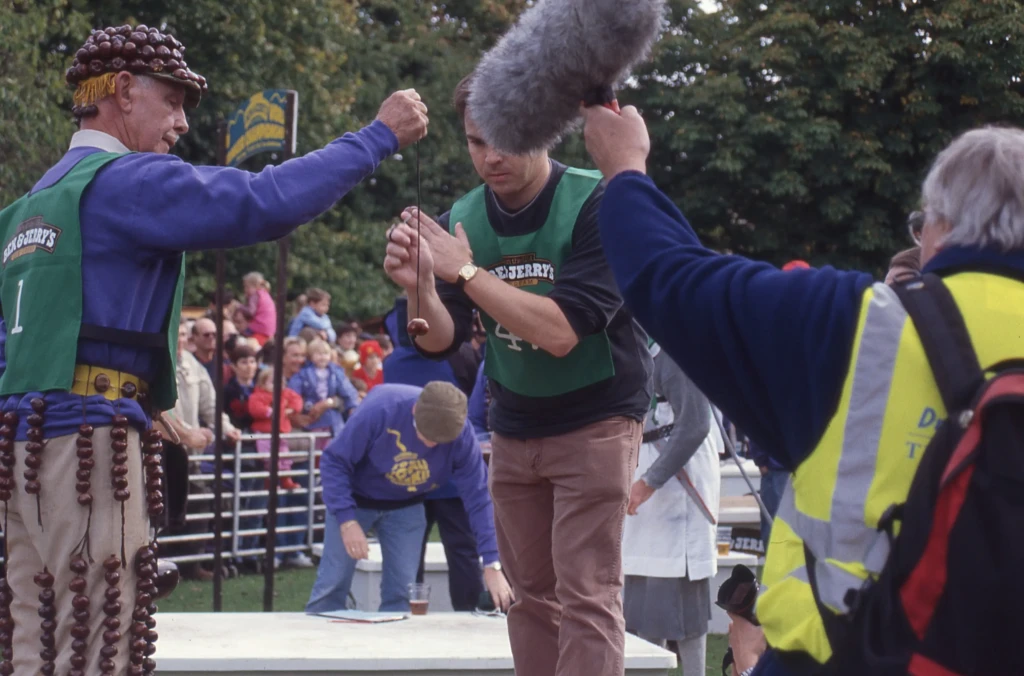
The world of competitive odd hobbies presents a fascinating glimpse into the peculiar pastimes individuals engage in, often with a spirited sense of competition. These activities diverge from conventional leisure pursuits, capturing the imaginations of those seeking to break the mold. The allure of odd hobbies lies not only in their uniqueness but also in the camaraderie and community they foster among enthusiasts. From extreme ironing to competitive duck herding, participants embrace a variety of unconventional challenges that offer both amusement and a platform for showcasing creativity.
As we delve deeper into this whimsical realm, it is important to recognize that these hobbies are not merely about individual prowess; they often ignite a deep-seated passion and a sense of belonging. Many individuals participating in these activities find joy in pushing their boundaries while fostering friendships with fellow hobbyists who share their eccentric interests. This shared enthusiasm enhances the experience, transforming solitary pastimes into lively competitions that garner attention on various platforms, including social media and dedicated events.
In this article, readers can anticipate a light-hearted exploration of the bizarre world of competitive odd hobbies. We will delve into several unusual pastimes that have garnered a dedicated following, offering insights into how these quirky hobbies thrive and evolve over time. With firsthand accounts, expert commentary, and engaging anecdotes, we hope to illuminate the charm and joy that these unusual activities bring to participants and spectators alike. Join us as we embark on this adventure into the unknown, where the ordinary fades away, leaving behind a spectrum of extraordinary pursuits that celebrate human ingenuity and the spirit of fun.
Food-Related Competitive Hobbies
Food-related competitive hobbies have gained remarkable popularity, showcasing the extremes to which enthusiasts will go in pursuit of culinary glory. One of the most notorious examples is competitive eating. In these contests, participants attempt to consume vast quantities of food within a specific time limit. The Major League Eating organization governs many of these events, including the famous Nathan’s Hot Dog Eating Contest held annually on July 4th in Coney Island. Here, top eaters, like Joey Chestnut and Takeru Kobayashi, engage in what appears to be a bizarre spectacle of gluttony.
Another quirky facet of food competitions is the growing trend of pumpkin carving contests. As autumn approaches, these competitions draw individuals and families alike, inviting creativity in transforming pumpkins into works of art. Talented carvers often showcase their skills at local fairs or national events, where some entries resemble lifelike sculptures that could easily be mistaken for professional craftsmanship. Each year, the World Pumpkin Weigh-off draws contestants hoping to claim the title for the largest pumpkin, showcasing the unexpected agricultural side of competitive hobbies.
Additionally, the world of bizarre food challenges has emerged, captivating participants and viewers alike. From spicy food challenges involving ghost peppers to quirky combinations like the ‘100-layer cake’ challenge, these contests push the boundaries of culinary experimentation. People often film themselves attempting these challenges, sharing humor-filled moments of triumph and chaos on social media platforms.
In these unique realms of competitive food hobbies, not only do participants display extraordinary skills and appetites, but they also create an entertaining atmosphere filled with laughter and excitement. These competitions illustrate how food can transcend traditional boundaries, becoming a medium for both artistry and amusement.
Physical Competitive Hobbies
Physical competitive hobbies combine the thrill of sporting events with unusual and often whimsical activities. Among the most recognized is extreme ironing, where participants combine the task of ironing clothes with extreme outdoor locations, such as mountains, forests, or even while skydiving. The competition entails setting up an ironing board in a challenging environment and successfully ironing clothes while dealing with environmental variables. Judges often look for creativity in location choice, the neatness of ironing, and adherence to safety protocols.
Another fascinating event is cheese rolling, particularly popular in Gloucestershire, England. In this event, participants chase a round of double Gloucester cheese down a steep hill. Competitors can often reach remarkable speeds as they tumble and dive down the hill, making it as much about speed as it is about balance and agility. The first person to reach the bottom of the hill, successfully capturing the cheese, is declared the winner. This unusual hobby has earned a place in local culture, generating excitement and drawing crowds, with injuries being a common occurrence due to the steep and treacherous slope.
These physical hobbies demand significant endurance and agility. Athletes often train extensively, as successful participants not only need to excel in their specific hobby but must also possess the physical prowess to navigate unpredictable scenarios. For instance, extreme ironing champion Phil Vickery has turned this niche hobby into a platform to perform incredible stunts, including ironing shirts atop moving vehicles, showcasing both skill and a flair for the dramatic.
Similarly, cheese rolling has created memorable tales, such as the longstanding tradition of daring competitors who tumble headfirst down the hill, often resulting in humorous and painful spills. These events exemplify how competitive physical hobbies can blend excitement and fun while pushing the boundaries of what enthusiasts are willing to do for their passions.
Mental Competitive Hobbies
Mental competitive hobbies have gained traction in recent years, capturing the interest of individuals passionate about cerebral challenges. Among these hobbies, speedcubing, particularly involving the classic Rubik’s Cube, stands out. This competition requires not only speed but also extraordinary problem-solving skills and a deep understanding of cube algorithms. Top competitors invest countless hours mastering various cube-solving techniques, including the Fridrich method, Roux method, and more, all aimed at reducing solving time.
Competitive puzzle-solving is another cerebral pursuit that has garnered attention. Participants tackle various puzzles, ranging from jigsaw puzzles to logic puzzles, often under time constraints. The skills required for these competitions extend beyond mere intellect; they include spatial awareness, attention to detail, and the ability to maintain composure under pressure. High-level competitors often study patterns, develop efficient solving strategies, and participate in extensive practice sessions to refine their skills.
Strategies are essential in both speedcubing and competitive puzzle-solving. Competitors frequently share techniques and tips through online forums, training videos, and community events, fostering a collaborative spirit that enhances the overall competitive landscape. Additionally, tournaments for these hobbies can attract large audiences, reflecting the fierce competition and dedication of participants. Many aficionados invest in advanced cube designs, timing devices, and specialized tools to gain even a slight edge over their rivals.
Ultimately, mental competitive hobbies exemplify a unique intersection of intellect and competition, appealing to a demographic that thrives on problem-solving and fast-paced challenges. Both speedcubing and puzzle competitions not only test mental prowess but also encourage camaraderie and community among enthusiasts, further enriching this fascinating realm of competitive hobbies.
Quirky Skill-Based Competitions
In the realm of competitive odd hobbies, there exists a plethora of quirky skill-based competitions that attract adventurous participants from around the globe. These competitions not only challenge the participants’ unique abilities but also provide a delightful spectacle for onlookers. Among these unusual pastimes, bog snorkeling, unicycle football, and toe wrestling stand out as particularly peculiar.
Bog snorkeling, for instance, takes place in muddy, water-filled bogs, where contestants don snorkels and flippers to race through murky waters. Originating in Wales, this competition tests the speed and endurance of participants as they navigate through a 60-yard trench gasped in muddy delight. The allure of bog snorkeling lies in its unapologetic messiness, as competitors often emerge from the bog covered in grime, all while displaying a cheerful resolve that leaves a lasting impression on both supporters and challengers alike.
Similarly, unicycle football combines the difficulties of riding a unicycle with the competitive spirit of football. Teams of players mount their unicycles to dribble, pass, and shoot, all while balancing on one wheel. The challenges of mobility and coordination make this a captivating sight for spectators. Participants often share humorous anecdotes about their falls and mishaps, reinforcing the camaraderie and lightheartedness that defines this beyond-the-norm competition.
Lastly, toe wrestling is a unique sport that invites participants to grapple toe-to-toe in a showdown for supremacy. Hailing from the United Kingdom, this quirky contest sees players using only their toes to pin their opponent’s foot down. The competition’s unconventional nature attracts attention and quirky rivalries, adding layers of personality and humor to the sporting experience.
Through these competitions, individuals find joy and a sense of community in embracing the absurd. As these few examples illustrate, quirky skill-based competitions continue to thrive, highlighting human creativity and an insatiable love for playfulness in the world of competitive sports.
Top Bizarre Hobbies Around the World
The world is filled with peculiar passions that people pursue competitively. Here are ten of the most unusual competitive hobbies that showcase the unexpected diversity of human interests:
1. Chewing Gum Blowing: Originating in the United States, this competition involves participants attempting to blow the largest bubble possible with chewing gum. This quirky pastime has gained a following, with official events and even world records.
2. Extreme Ironing: This bizarre hobby combines the mundane task of ironing clothes with extreme outdoor activities. Enthusiasts take their ironing boards to unusual locales such as mountaintops and underwater, showcasing both creativity and athleticism.
3. Unicycle Football: This odd twist on traditional football is played on unicycles, primarily in countries like the UK and Germany. Participants must master riding while dribbling and passing a ball, adding a unique layer of difficulty to the game.
4. Bog Snorkeling: A tradition in Wales, this unconventional aquatic sport requires participants to swim through a muddy bog using snorkels and flippers. Competitors race to complete the course in the shortest time possible, making it a true test of endurance and fun.
5. Quidditch: Inspired by the Harry Potter series, this sport has gained traction on university campuses worldwide. Players run with broomsticks between their legs, in a mix of rugby and dodgeball, creating a captivating sight for enthusiasts.
6. Pumpkin Chucking: A popular competition in the United States, this event sees participants hurl carved pumpkins using catapults or other inventive contraptions. The aim is to achieve the longest distance, blending engineering and fun.
7. Card Stacking: This competitive hobby involves creating impressive structures from playing cards. Precision and patience are crucial, as competitors aim to craft the tallest or most intricate designs without toppling their creations.
8. Underwater Pumpkin Carving: Combining artistry and challenge, this hobby involves divers carving pumpkins while submerged. Participants showcase their creativity and skills, completing the carvings under the pressure of being underwater.
9. Worm Charming: A unique competition primarily in the UK, worm charming involves contestants attempting to lure worms from the ground using various techniques. This quirky hobby emphasizes skill and understanding of nature.
10. Soapbox Racing: This hobby involves constructing and racing homemade go-karts, or soapboxes, often with humorous or themed designs. Competitors race downhill, fostering creativity and engineering talent among participants.
These peculiar hobbies not only provide a competitive outlet for enthusiasts but also highlight the diverse cultural expressions found across the globe. Each unique activity showcases a different facet of human ingenuity and creativity.
Shocking Techniques and Facts
Competitive odd hobbies demonstrate an astonishing array of techniques and equipment that often leave onlookers both baffled and impressed. For many participants, success in these unusual competitions is predicated on rigorous training regimens that rival those of traditional sports. To excel in niche activities such as extreme ironing, for instance, competitors may undergo extensive conditioning aimed at improving their balance and agility while maneuvering household items in extreme environments.
One striking aspect of these hobbies is the specialized gear that participants utilize. In the world of cheese rolling, competitors don protective clothing, which often includes helmets and padding, to mitigate the risk of injury while tumbling down steep hills in pursuit of a runaway cheese wheel. Similarly, participants in competitive pumpkin carving employ an arsenal of custom tools, meticulously designed to create intricate designs while adding a competitive edge to their work. These specialized implements enable artisans to achieve unprecedented levels of detail in their creations.
A surprising fact is that many competitive odd hobbies have established networking communities, where enthusiasts exchange tips, techniques, and even gear. For example, the global community surrounding extreme pogo sticking organizes events and competitions that not only push the boundaries of what is possible on pogo sticks but also foster friendships among participants with a shared passion. Moreover, some of these odd hobbies have originated from local traditions transformed into competitive events, showcasing cultural heritage while simultaneously providing entertainment. In contrast, others arise from social media trends, gaining momentum and a dedicated following within a remarkably short time frame.
Ultimately, the eclectic techniques and astonishing facts surrounding the vast realm of competitive odd hobbies paint a vivid picture of human creativity and the diverse ways individuals seek excitement and community through unconventional pursuits.
Table of Comparisons
As the world of competitive odd hobbies continues to expand, it becomes essential to understand what sets them apart. Below, we present a comprehensive table comparing several of these peculiar pastimes, highlighting their rules, popularity, and prize details for easier comparison.
| Hobby | Rules | Popularity | Prize Details |
|---|---|---|---|
| Extreme Ironing | Competitors iron clothes in extreme locations. | Moderately popular, with an active community. | Cash prizes and sponsored equipment. |
| Cheese Rolling | Participants chase a wheel of cheese down a hill. | Highly popular in certain regions, especially the UK. | Trophies and local accolades. |
| Extreme Pogo | Competitors perform tricks on specialized pogo sticks. | Gaining popularity, especially among thrill-seekers. | Monetary prizes and sponsorships. |
| Indoor Skydiving | Competitors fly in vertical wind tunnels showcasing control and style. | Increasingly popular as indoor facilities emerge. | Prizes can include scholarships and monetary awards. |
This table serves as a foundation for understanding these unique competitions. Familiarity with their rules, popularity, and the type of rewards available can help individuals decide which odd hobby might pique their interest or participation.
Conclusion and Key Takeaways
The realm of competitive odd hobbies showcases a vibrant blend of creativity, amusement, and community engagement. These unconventional pursuits range from extreme ironing to championship cheese rolling, each one presenting its unique quirks that capture the fascination of both participants and spectators alike. The appeal of such hobbies lies not only in their sheer absurdity but also in their ability to bring together diverse groups of people united by shared interests, no matter how peculiar they may appear.
One of the most notable features of these odd hobbies is their capacity to challenge societal norms. They defy expectations of traditional competitive sports and often emerge in response to the desire for novelty and excitement. In a world where mainstream sports reign supreme, these bizarre competitions provide an alternative avenue for self-expression, allowing individuals to showcase their distinctive skills in unconventional formats. This element of surprise keeps audiences engaged and encourages a more relaxed atmosphere among competitors.
A significant takeaway from the exploration of competitive odd hobbies is their role as a source of entertainment and community bonding. Participants often build lasting friendships that go beyond the competition itself, as shared experiences foster lasting connections. Furthermore, these hobbies encourage inclusivity, inviting people from all walks of life to partake without requiring specialized skills or extensive training. The focus is not merely on winning but on having fun and embracing the joy of participation.
In conclusion, competitive odd hobbies represent the fascinating intersection of human creativity and camaraderie. They remind us that enjoyment can be found in the most unexpected places, and that sometimes, embracing the bizarre opens doors to a richer and more connected way of life. As these unconventional pursuits gain popularity, they not only provide entertainment but also cultivate vibrant communities where individuality and fun are celebrated.