

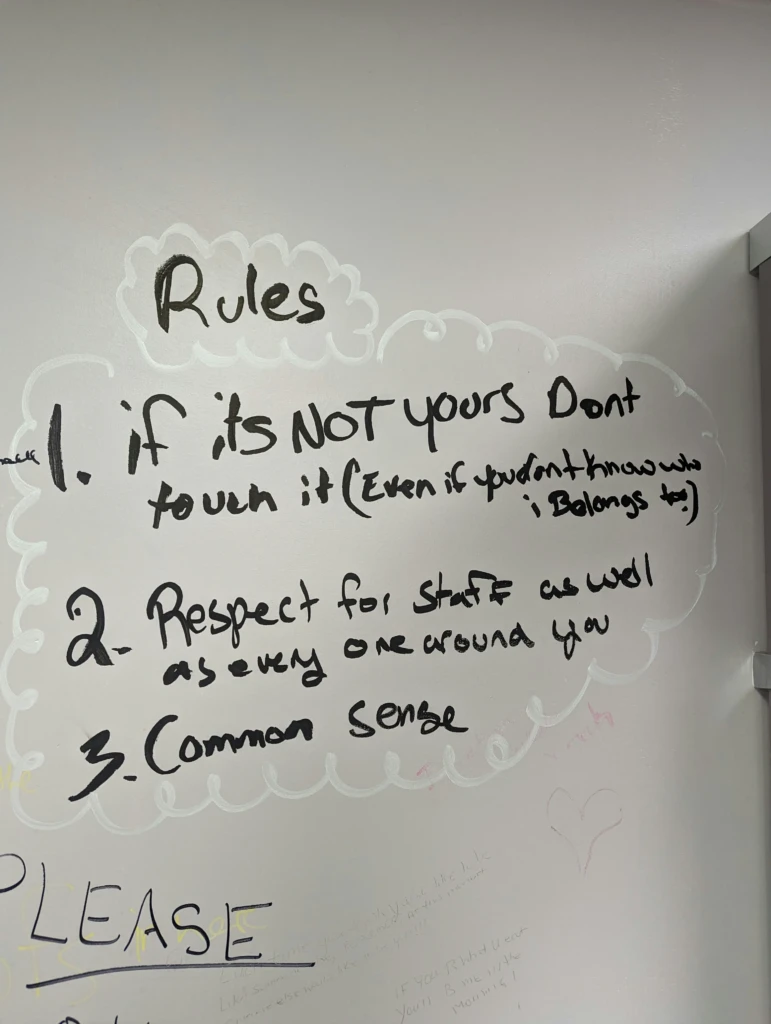
Introduction to Hidden Rules
In our daily interactions, individuals are often guided by a set of unwritten codes, commonly referred to as hidden rules. These rules shape our behavior and influence the manner in which we engage with one another, often without us being fully conscious of their existence. Hidden rules can vary significantly across different cultures, social groups, and contexts, yet their underlying purpose remains consistent: to facilitate smoother interactions and maintain social harmony.
These guidelines encompass a wide range of behaviors, from the way we communicate to our responses in various scenarios. For instance, consider the importance of personal space in a conversation. While one person may feel comfortable standing close to another, another individual might perceive that proximity as intrusive. This discrepancy illustrates how subtle hidden rules can operate between individuals, shaping perceptions and reactions in social situations. Often, individuals who do not adhere to these implicit rules may find themselves facing social backlash or exclusion.
The significance of hidden rules extends beyond mere interaction, influencing broader societal norms and expectations. They can dictate behaviors in professional environments, dictate cultural practices, and even affect familial dynamics. As people navigate their lives, they often rely on this unspoken system of rules to interpret social cues, gauge appropriate responses, and foster mutual understanding.
Understanding these hidden rules is crucial for enhancing interpersonal relationships and fostering inclusive environments. By acknowledging the existence of these unwritten codes, individuals can become more empathetic and responsive to the diverse norms that govern various social interactions. This awareness not only enriches personal relationships but also contributes to a deeper comprehension of societal behavior as a whole.
The Nature of Unwritten Rules
Unwritten rules, often referred to as informal norms, are the unspoken guidelines that govern behavior in various social contexts. These rules arise from cultural conventions, social interactions, and shared understandings among members of a community. Unlike formal rules codified in law or policy, unwritten rules emerge organically, evolving over time as a result of societal changes and collective experiences.
The origins of these unwritten rules can be traced back to the need for social cohesion and order. Human beings, as inherently social creatures, rely on these norms to navigate complex social landscapes. Examples can be found across different cultures, where behaviors ranging from greetings to dining etiquette are influenced by unwritten rules that are understood rather than explicitly stated. For instance, in some cultures, direct eye contact is perceived as a sign of confidence, while in others, it may be considered disrespectful.
Furthermore, the manifestation of these unwritten rules varies significantly across contexts. In a professional setting, unwritten rules may dictate the hierarchy of communication, such as when to address a superior or how to express disagreement. Similarly, in personal relationships, unwritten rules can guide expectations about sharing emotions or providing support during tough times. Such rules not only impact individual interactions but also influence group dynamics, allowing for smoother cooperation and collaboration.
Unwritten rules play a crucial role in shaping our behaviors and interactions. They provide a framework within which individuals can operate, helping to reduce ambiguity and uncertainty in social situations. By understanding and adhering to these norms, individuals are more likely to foster positive relationships and build trust with others. Consequently, acknowledging the existence and significance of unwritten rules is essential for navigating various social environments effectively.
Common Hidden Rules in Social Interactions
Social interactions are governed by a variety of unspoken rules that significantly shape our behaviors and responses in everyday life. Etiquette is perhaps one of the most recognizable hidden rules; it dictates how individuals should behave in professional and personal environments. Simple courtesies such as saying ‘please’ and ‘thank you’ serve not only as expressions of gratitude but also as mechanisms for fostering goodwill and positive rapport between individuals. The adherence to these social niceties reflects an understanding of mutual respect, which is vital in maintaining harmonious relationships.
Another crucial hidden rule is the concept of personal space. The appropriate distance between individuals varies significantly depending on cultural norms and the specific context of the interaction. For instance, while standing in line at a coffee shop, maintaining a physical distance of two to three feet may be expected, while engaging in a close conversation with a friend allows for a much smaller space. Being attuned to these spatial dynamics helps avoid discomfort and potential misunderstandings, as violations of personal space can lead to feelings of anxiety or aggression.
Eye contact is also a notable element of social etiquette. Establishing eye contact demonstrates attentiveness and engagement in a conversation, providing non-verbal feedback that enriches communication. Conversely, excessive staring or a lack of eye contact can convey disinterest or shyness, which may negatively influence social interactions. The balance of eye contact is especially important in diverse social settings, as cultures have different norms regarding eye contact, all influencing the dynamics of personal interactions.
In summarizing these hidden rules, it becomes evident that understanding and navigating these social interactions consistently contribute to building and maintaining social harmony. Each of these rules plays a vital role in facilitating effective communication and fostering mutual respect in various social contexts.
Implicit Communication and Non-verbal Cues
Implicit communication plays a pivotal role in the way we interact with one another. Non-verbal cues such as body language, facial expressions, and tone of voice often communicate feelings and intentions far more profoundly than spoken words. Research indicates that up to 93% of communication effectiveness stems from non-verbal signals, revealing their critical function in interpersonal relationships. For instance, an individual may verbally express agreement; however, a lack of eye contact or closed body posture can suggest disinterest or even disagreement.
Body language is an essential component of implicit communication, providing a silent yet powerful means of conveying emotions. Gestures, posture, and proximity can significantly influence how messages are received. For example, an open stance can indicate receptiveness and engagement, whereas crossed arms might suggest defensiveness. The subtleties of these non-verbal cues create a complex web of unspoken rules that govern social interactions, making it imperative for individuals to cultivate an awareness of their and others’ body language.
Furthermore, tone of voice adds another layer to implicit communication, as the way something is said can change its entire meaning. Variations in pitch, volume, and emphasis can alter the perception of a statement. A sarcastic tone may contradict a seemingly positive statement, leading to misunderstandings if the listener is unaware of the implied meaning. Such nuances highlight the importance of paying attention to vocal inflections as part of interpreting the hidden rules within communication.
In essence, implicit communication through non-verbal cues is integral to our interactions. By understanding and adapting to these non-verbal signals, individuals can enhance their ability to connect with others, navigate social situations more effectively, and foster deeper relationships.
Cultural Variations in Hidden Rules
Hidden rules, often described as the unwritten guidelines that govern social interactions, can vary significantly across different cultures and societies. These rules, while generally invisible to outsiders, play a pivotal role in shaping the behaviors, communications, and expectations of individuals within a particular cultural context. Understanding these variations is crucial for fostering effective communication and promoting cultural sensitivity.
For instance, in many Western cultures, direct eye contact is seen as a sign of confidence and engagement. Conversely, in several Asian cultures, maintaining indirect eye contact demonstrates respect and humility, particularly towards elders or authority figures. This fundamental difference can lead to misunderstandings; where one party may perceive a lack of confidence, the other may view it as a sign of politeness.
Another prime example can be found in the realm of personal space. In cultures such as those in Latin America and the Middle East, closer proximity during conversations is commonplace and signifies warmth and friendliness. In contrast, Northern European countries often prioritize personal space, where standing too close can be perceived as intrusive or disrespectful. Recognizing these subtle yet paramount variances helps individuals navigate social scenes more adeptly, avoiding potential faux pas that stem from cultural ignorance.
Cultural awareness is essential in today’s interconnected world. By acknowledging and respecting the hidden rules that govern different societies, individuals can significantly enhance their interpersonal relationships. This awareness not only promotes inclusivity but also aids in the exploration of diverse perspectives, enriching one’s own cultural experiences. Engaging in this exploration allows for personal growth and a deeper understanding of the rich tapestry of human interaction.
The Psychology Behind Following Hidden Rules
The adherence to hidden rules in social contexts can often be attributed to various psychological phenomena. One key aspect is the concept of conformity, which is the tendency of individuals to align their behaviors, beliefs, or attitudes with those of a group. Research in social psychology has shown that conformity is driven by a desire for acceptance and validation from peers. Individuals may follow hidden social rules subconsciously in an effort to blend into their environment and avoid feelings of isolation.
Additionally, socialization plays a significant role in the adoption of these hidden rules. From early childhood, individuals learn behavioral expectations through interaction with parents, peers, and broader societal norms. This process of social learning ensues through observation and imitation, often leading people to internalize behaviors deemed acceptable within their social circles. As a result, hidden rules become ingrained aspects of interpersonal interactions that individuals follow without even realizing it.
Moreover, the human desire for acceptance is a powerful motivating force behind the adherence to hidden rules. The psychological need for belonging, articulated by Maslow’s hierarchy of needs, suggests that people are more likely to adhere to group norms to secure social bonds. This intrinsic motivation drives many individuals to follow hidden rules, as the repercussions of deviating from these norms can include social ostracism or other forms of exclusion.
Finally, the influence of social identity cannot be overlooked. Individuals often derive a sense of self from their group affiliations. Therefore, the invisible guidelines that govern behavior within these social identities can significantly impact how individuals choose to act. The psychological interplay of conformity, socialization, and the longing for acceptance ultimately reveals why hidden rules are predominantly followed, even when they remain unspoken.
Consequences of Breaking Hidden Rules
The consequences of violating hidden rules can vary significantly, influencing not only personal but also professional relationships. Typically, transgressions can result in social awkwardness, gradual alienation, or even complete ostracism from groups one wishes to be a part of. Understanding these repercussions is essential, as they underline the importance of adhering to societal expectations.
In social settings, for instance, failing to acknowledge a greeting may lead to discomfort between acquaintances. A simple nod or smile is a common unspoken rule that fosters mutual respect and acknowledgment. Disregarding this can create a palpable tension, signaling exclusion or a lack of interest. Such situations highlight how breaking hidden rules can have unintended emotional consequences, leaving individuals feeling isolated or unwelcome.
In a professional context, the stakes are often higher. An employee who publicly criticizes a colleague might breach the unspoken decorum of teamwork, risking not only their reputation but also their standing within the organization. This can trigger a chain reaction; coworkers may become wary or even hostile, leading to a fractured work environment. Essentially, failing to navigate hidden rules effectively can adversely impact communication and collaboration, essential components of any successful workplace.
Moreover, hidden rules vary by cultural context, and transgressions in this arena can have even more profound effects. For example, in collectivist cultures, an individual’s failure to conform to group norms can result in public shaming or loss of face. Conversely, in more individualistic societies, the consequences might manifest through gossip or social media backlash. In essence, understanding the consequences of breaking hidden rules can aid individuals in cultivating healthier relationships and progressive environments.
Navigating Hidden Rules in Different Contexts
Recognizing and adapting to hidden rules is essential for successful interactions in various environments, including workplaces, social gatherings, and family settings. The nuances of social behavior can vary significantly across contexts, making it important to be observant and flexible. One effective strategy for navigating these unwritten norms is active observation. Paying attention to the behaviors, tone, and reactions of those around you can provide crucial insights into the expectations of a specific setting. For instance, in corporate environments, the formality of communication can vary from one department to another. Being attuned to your colleagues’ preferences in communication can aid in building rapport and trust.
Another useful approach is to engage in informal conversations before formal interactions. This can be particularly effective at social gatherings, where the dynamics may be more relaxed. Striking up a casual chat can help you gauge the general attitudes and behaviors of attendees, allowing you to align your own conduct with the prevailing atmosphere. Additionally, seeking feedback from others can provide clarity regarding what is deemed appropriate within a particular context. This is especially pertinent in family settings, where established patterns of interaction often shape social norms.
To further enhance your ability to navigate these hidden rules, consider reflecting on past experiences where you felt out of sync with the environment. Analyzing these instances can help you identify triggering behaviors that may have contrasted with the expected social norms. Implementing a conscious effort to adjust your approach based on these reflections fosters greater adaptability and awareness. Overall, developing an acute sense of these unwritten codes will not only improve your social interactions but also pave the way for deeper connections and understanding across various contexts.
Conclusion: Embracing the Invisible Framework of Society
Understanding the hidden rules that govern human interactions is crucial for navigating the complexities of our social world. These unwritten guidelines, which permeate every level of society, can significantly shape our behaviors, relationships, and perceptions. By recognizing these norms, we not only improve our individual experiences but also enhance our capacity for empathy and connection with others.
Hidden rules influence the manner in which we communicate, the expectations we have in various relationships, and even the way we interpret actions and reactions. Being aware of these implicit frameworks allows us to approach social situations with greater sensitivity and understanding. For example, recognizing the various cultural or contextual norms that guide behavior can prevent misunderstandings and foster more meaningful interactions.
Furthermore, adaptability plays a critical role in successfully negotiating these invisible rules. As we become more attuned to the expectations of our surroundings, we can modulate our behavior to align with the nuances of different social settings. This flexibility enhances not only our personal relationships but also our professional interactions, paving the way for improved collaboration and outcomes.
Ultimately, the significance of understanding hidden societal rules cannot be overstated. By cultivating awareness of these norms, we position ourselves to experience more fulfilling interactions, whether in casual encounters or deeper relationships. Embracing this invisible framework empowers us to respond to others with empathy, fostering an environment where open communication and understanding can thrive.