More Than Just Noise: How Audio Shapes Your Digital Worlds
We often talk about graphics. We obsess over frame rates. But what about the sounds of our games? The way a sword clashes, the distant cry of a monster, or the calming melody of a village theme? Sound design in video games has become incredibly sophisticated. It’s not just background noise anymore. It’s a key part of the experience.
Think about your favorite games. Can you remember the sounds? Maybe it’s the satisfying *thwomp* of Mario jumping, the haunting music of Silent Hill, or the epic orchestral scores of modern role-playing games. These sounds stick with us. They create atmosphere. They tell us things. They even guide our actions.
The Power of the Unseen
Sound is powerful because it works on a deeper level. It bypasses our logical brain sometimes. It goes straight to our emotions. A sudden, sharp noise can make you jump. A slow, building tension in the music can make your heart race. Developers use this to their advantage.
Consider horror games. The creak of a floorboard, a faint whisper from the darkness, the sudden screech of an enemy. These aren’t just random noises. They’re carefully crafted to make you feel scared, vulnerable, and on edge. The lack of sound can be just as effective. Silence can build suspense. It can make you feel isolated and exposed.
Building Worlds with Audio
Sound doesn’t just create fear. It builds entire worlds. Imagine walking through a bustling city in a game. You hear the chatter of crowds, the honking of vehicles, the distant sirens. This audio paints a picture of that city without you even seeing it. It makes the environment feel alive and real.
Or think about a peaceful forest. You might hear birds chirping, leaves rustling in the wind, a gentle stream flowing nearby. These natural sounds immerse you in the setting. They make you feel like you’re really there. Developers spend a lot of time recording and designing these environmental sounds. They want to create believable places.
Gameplay Cues and Feedback
Sound is also crucial for gameplay. It gives players feedback. When you hit an enemy in a fighting game, you hear a distinct sound. This tells you that your attack connected. When you pick up an item, a little chime plays. This confirms your action.
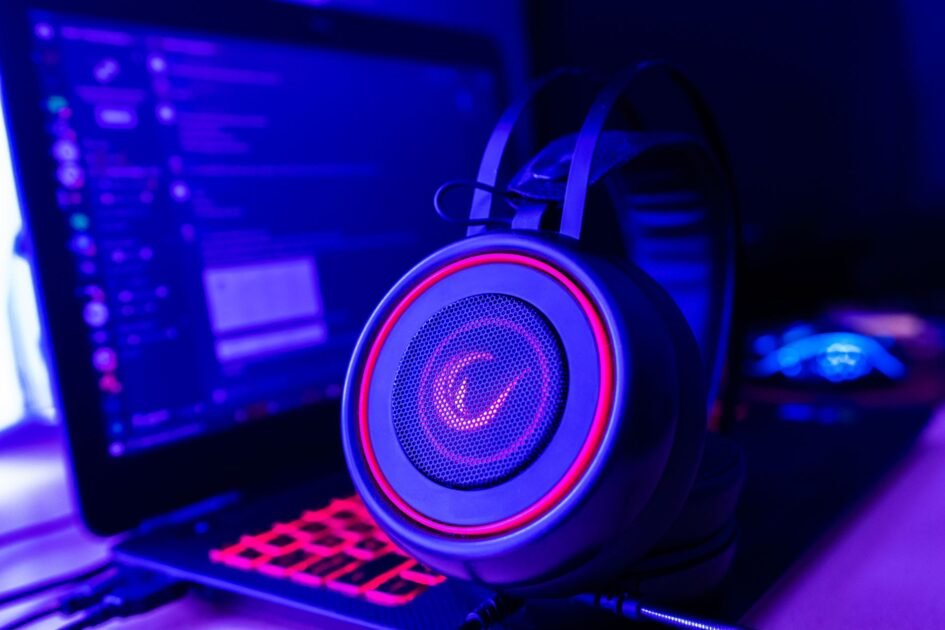
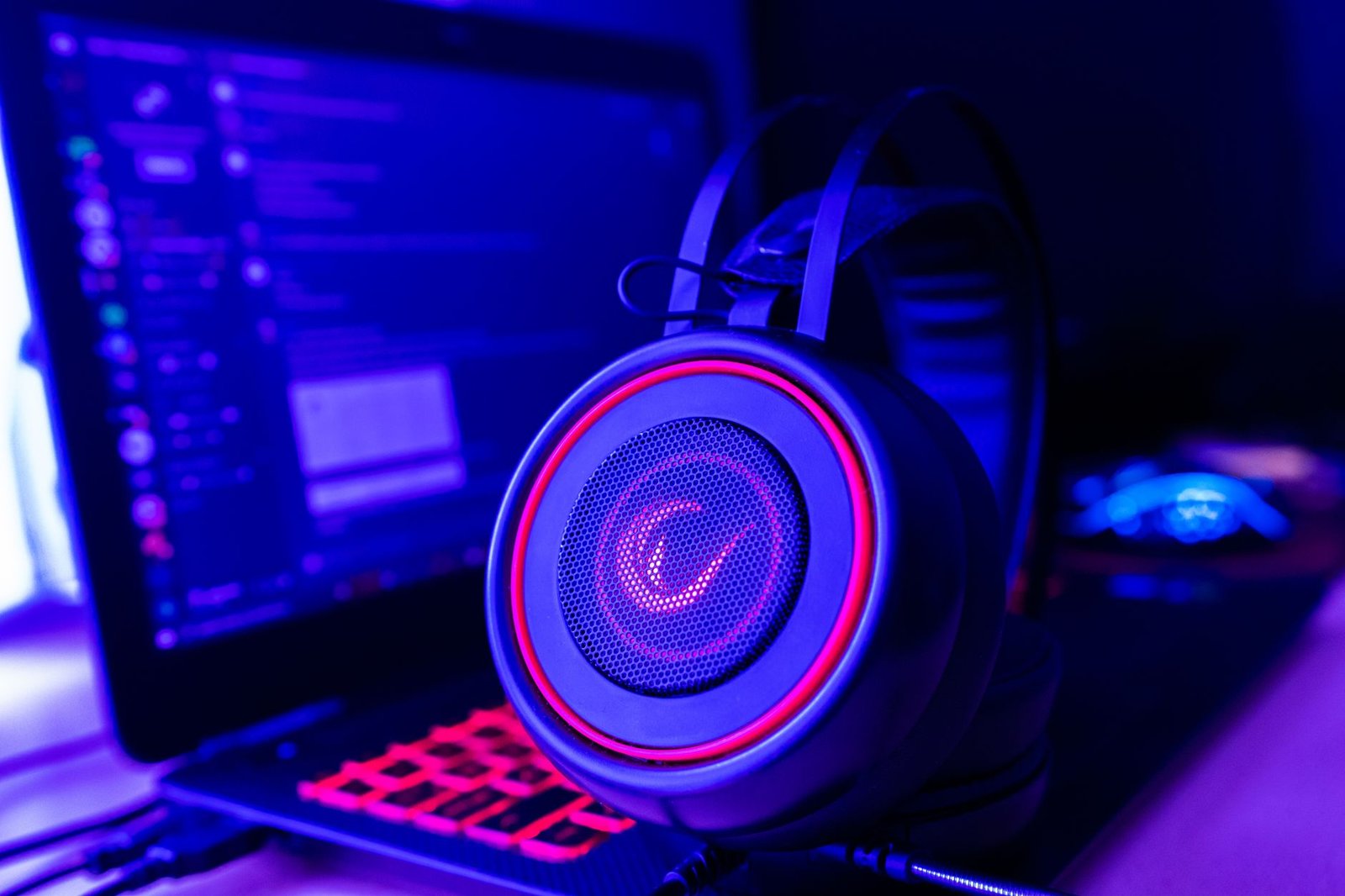
In competitive games, sound can be a critical tool. Footsteps can alert you to an enemy’s presence. The sound of a particular ability being used can tell you what your opponent is doing. Professional players often use high-quality headphones. They need to hear every little detail. This audio information can make the difference between winning and losing.
The Evolution of Audio Technology
Game audio has come a long way. Early video games had very simple sounds. Think of the beeps and boops of the Atari era. Then came more complex music and sound effects with consoles like the NES and SNES. Now, we have incredibly realistic audio.
Modern game engines allow for advanced audio features. This includes things like 3D spatial audio. This means sounds come from specific directions. You can tell if an enemy is to your left, right, above, or below. This adds a huge layer of immersion. Developers also use dynamic music systems. The music can change based on what’s happening in the game. It can swell during intense moments and become calm during peaceful ones.
Who Makes the Magic Happen?
The people behind game sound are called sound designers and composers. Sound designers create all the sound effects. They might record real-world sounds and then edit them. Or they might use software to synthesize entirely new sounds. Composers write the music. They work with directors to create scores that fit the game’s tone and story.
It’s a collaborative process. Sound designers and composers often work closely with the game developers. They need to understand the gameplay and the story. They need to ensure the audio enhances the overall experience. Sometimes, a single sound effect can become iconic. Think of the Pac-Man “waka waka” sound or the Super Mario coin collect sound. These small audio cues are instantly recognizable.
Memorable Soundtracks and Their Impact
Beyond sound effects, game music has become a major art form. Orchestral scores, electronic music, rock anthems, and more are all found in games. Many game soundtracks are released as separate albums. People listen to them outside of the game.
Games like The Legend of Zelda series are known for their beautiful and memorable music. The Final Fantasy series also features iconic scores composed by Nobuo Uematsu. Even indie games, like Undertale, have gained massive followings for their unique and emotional soundtracks. The music can define a game’s identity. It can evoke strong feelings and memories for players.
The Future of Game Audio
What’s next for game sound? We’re likely to see even more sophisticated audio technologies. AI could play a role in generating dynamic soundscapes. Virtual reality (VR) gaming relies heavily on immersive audio. As VR becomes more advanced, so will its sound design.
We might also see more interactive music. Imagine music that changes not just based on action, but also on player choices or exploration. The focus will likely remain on using sound to create deeper connections with players. It will continue to be a vital tool for storytelling, immersion, and gameplay.
So next time you play, take a moment. Close your eyes and just listen. You might be surprised at how much the sound design is contributing to your experience. It’s a silent, or rather, a not-so-silent, force shaping the games we love. The sound of victory in a competitive match is often as rewarding as the victory itself. Games released in 2026, like ‘Echoes of Eternity’ and ‘Nebula Frontier,’ continue to push audio boundaries. They showcase how crucial sound is to making digital worlds feel real.
Leave a Reply