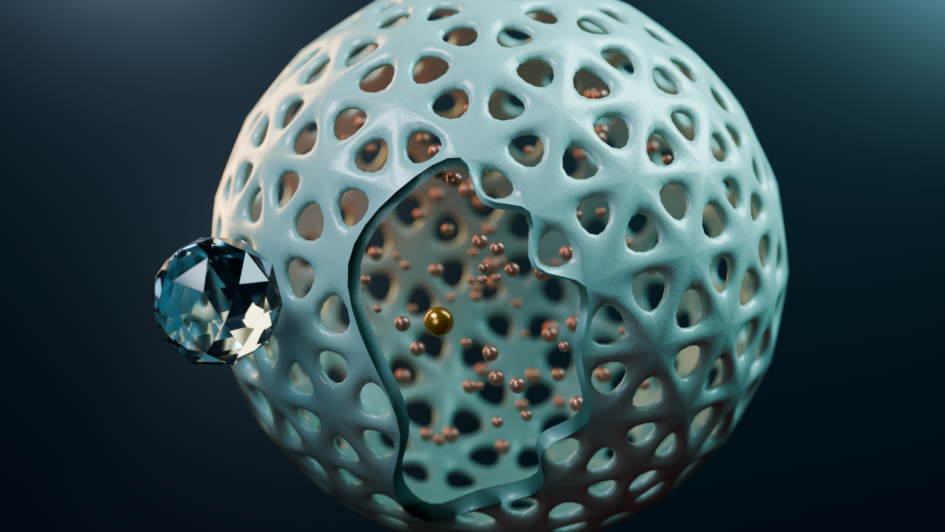
We often think of game worlds as carefully crafted places. Designers plan every tree, every building, every enemy. But what if the world itself was created by rules, not just by hand? This is the magic of procedural generation. It’s a way to create game content using algorithms. This can lead to incredibly varied and surprising game worlds.
How Procedural Generation Works
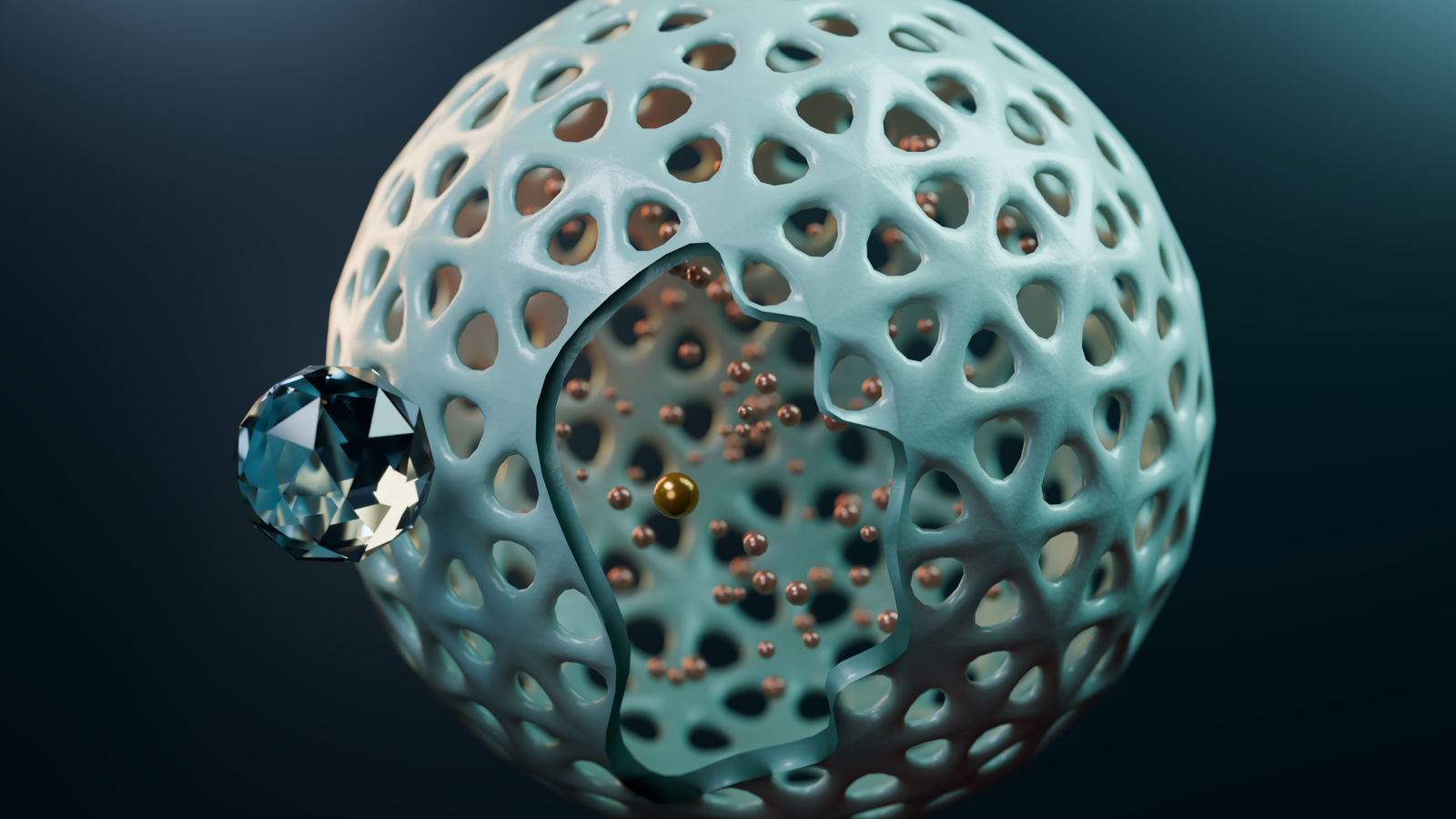
Procedural generation uses math and logic to create things. Think of it like a recipe. The recipe has instructions, and those instructions can create many different cakes. In games, these instructions can create levels, items, characters, or even entire planets. A common method uses “random seeds.” This is a starting number that the algorithm uses. The same seed will always create the same result. This is useful for sharing worlds or recreating them.
Endless Exploration
One of the biggest benefits of procedural generation is endless content. Games like No Man’s Sky use it to create a universe with quintillions of planets. Each planet has its own unique landscape, creatures, and resources. You could play for a lifetime and never see it all. This makes exploration feel truly boundless. It’s like being a real explorer, discovering places no one has ever seen before.
Unique Experiences Every Time
Procedural generation means every player’s experience can be different. Think about dungeon crawlers like Diablo or The Binding of Isaac. The layout of the dungeons changes with each playthrough. Enemies and item drops are also randomized. This keeps the game fresh and challenging, even after many hours. You never know what dangers or treasures lie around the next corner. This unpredictability is a big part of the fun.
Beyond Worlds: Items and Characters
It’s not just about creating environments. Procedural generation can create unique items too. Imagine finding a sword with random stats and special effects. Games like Borderlands are famous for their “bazillions” of procedurally generated guns. Each gun has different stats, firing patterns, and elemental effects. This means there’s always a chance to find that perfect weapon. Characters can also be procedurally generated, with different appearances and backstories. This adds a lot of variety to games.
The Art of Randomness
Creating good procedural generation is an art. Developers need to create algorithms that generate content that is not just random, but also interesting and playable. A completely random world might be boring or even impossible to navigate. They have to set rules and constraints. These rules ensure the generated content makes sense within the game’s context. For example, a dungeon might need an exit, or a planet might need water if it’s supposed to have life.
Challenges and Limitations
While powerful, procedural generation isn’t perfect. Sometimes, generated content can feel repetitive or bland. The algorithms might not be sophisticated enough to create truly unique or memorable moments. Developers also face the challenge of testing procedurally generated content. It’s hard to test every possible combination. Another issue can be performance. Generating large amounts of content on the fly can be demanding on hardware.
Indie Darlings and AAA Dreams
Procedural generation is a favorite tool for many indie game developers. It allows them to create vast amounts of content with smaller teams and budgets. Games like Minecraft, a massive sandbox success, heavily rely on procedural generation for its infinite worlds. However, AAA studios also use it. They might use it for specific features, like creating vast landscapes in open-world games or generating varied loot. Even games with primarily hand-crafted content can use procedural elements for things like enemy placement or environmental details.
The Future of Generated Content
As technology advances, procedural generation is becoming even more powerful. AI is starting to play a role. AI can help create more intelligent and varied content. We might see games where the story itself is partially procedurally generated. Imagine a narrative that adapts in real time to your choices and actions. The possibilities are really exciting. This technology could lead to games that feel truly alive and unique to each player.
Examples to Try
If you want to experience procedural generation, there are many great games to check out. Spelunky offers challenging, procedurally generated platforming levels. Dwarf Fortress creates incredibly detailed worlds with simulated histories. For a space exploration experience, No Man’s Sky is a prime example. Even older games like Rogue, which the entire genre of “roguelikes” is named after, used procedural generation back in 1980. These games show the incredible variety that this technique can bring to digital gaming.
Leave a Reply