
We’ve all been there. You’re deep in a game, facing down a formidable boss, or trying to solve a tricky puzzle. Sometimes, you need a helping hand. In many games, that hand belongs to an artificial intelligence. These AI companions, from helpful allies to annoying sidekicks, are a huge part of our gaming experiences. They aren’t just set dressing; they often shape how we play and even how we feel about a game.
Think about the impact of a good AI partner. They can make a difficult game feel more manageable, or a lonely adventure feel a bit less so. Sometimes, they even steal the show with their personalities or unexpected actions. Let’s look at some of the ways AI companions have become so important in digital gaming.
More Than Just a Button Press: The Evolution of Game AI
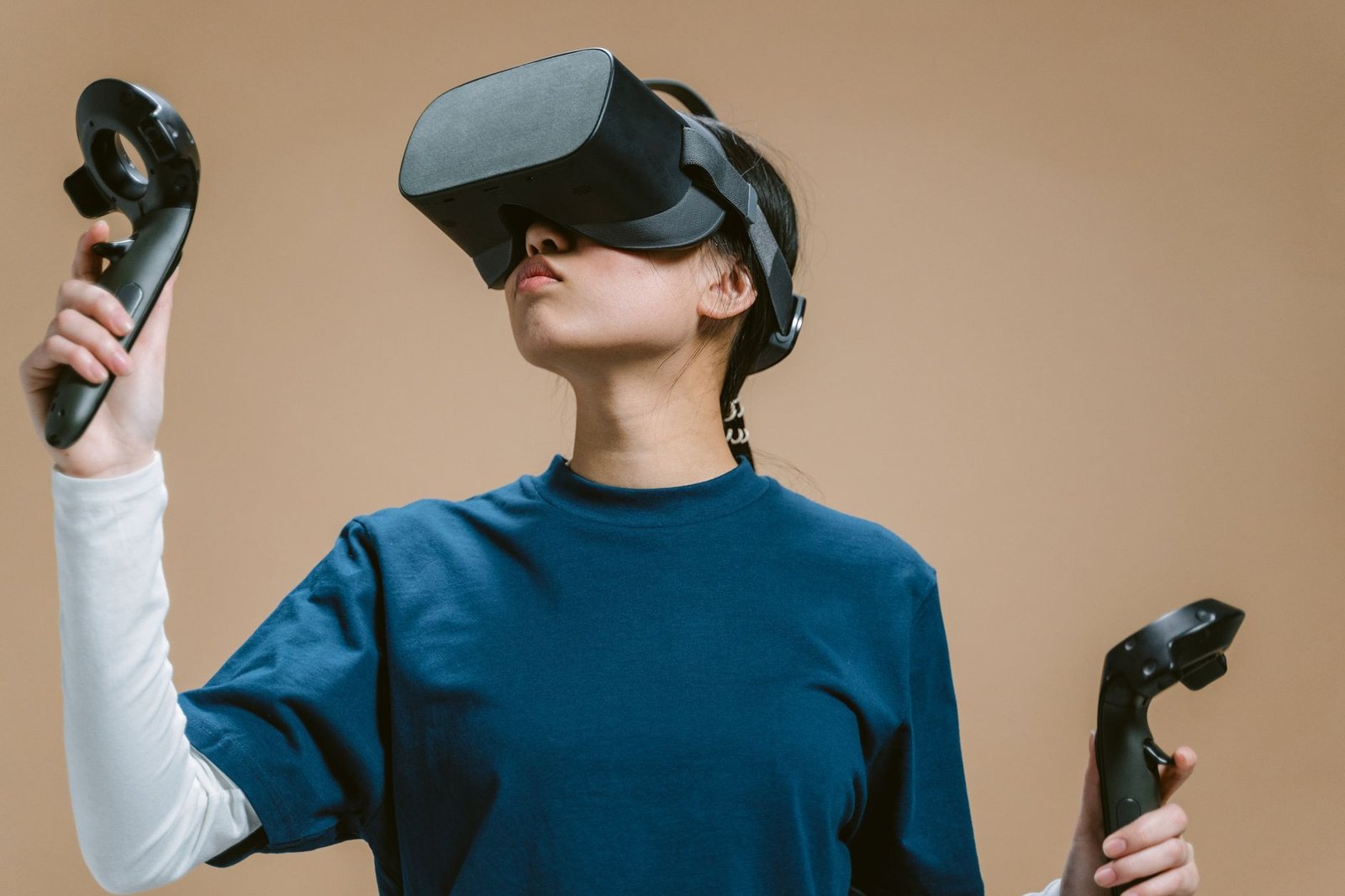
Early game AI was pretty basic. Think of enemies in Pac-Man, just chasing you in predictable patterns. Companions were even simpler, often just following the player or performing a single, scripted action. But as technology improved, so did game AI. Developers started giving characters more complex behaviors.
This means AI characters can now react to their environment, learn from player actions, and even exhibit what looks like independent thought. They can coordinate attacks, offer tactical advice, or simply provide emotional support through dialogue and interaction. This evolution has made games feel more dynamic and alive.
From Silent Partners to Story Stealers: Memorable AI Companions
Some AI companions have become as famous as the main characters they support. Take Dogmeat from the Fallout series. He’s a loyal canine companion who fights alongside you, carries your loot, and even sniffs out hidden items. He’s not just a tool; he feels like a real friend.
Then there’s Elizabeth from BioShock Infinite. She’s not just there to be protected; she actively participates in combat, providing resources and support. Her presence is central to the game’s narrative and gameplay, making her far more than just an NPC. Her character arc and interactions with the player are a huge part of why the game is so well-loved.
We also can’t forget Cortana from the Halo series. She’s a constant presence, offering tactical information, backstory, and witty commentary. Her relationship with Master Chief is a core element of the story, showing how AI can be deeply integrated into a game’s narrative fabric.
The Double-Edged Sword: When AI Companions Go Wrong
Not all AI companions are helpful. Sometimes, they can be more of a hindrance than a help. Who hasn’t been frustrated by an AI partner who blocks your path, gets stuck on geometry, or makes a critical mistake at the worst possible moment?
I remember playing a game where my AI companion kept running into the same wall, unable to find a simple path. It was funny at first, but then it got annoying when I needed them to open a door or activate a switch. These moments can break immersion and lead to frustration for the player.
Another common issue is when AI companions are either too powerful, making the player feel useless, or too weak, failing to contribute in combat. Finding that perfect balance is a huge challenge for game developers. When it’s done right, it’s magic. When it’s done wrong, it can really hurt the game.
Beyond Combat: AI in Strategy and Simulation
AI companions aren’t just for action or adventure games. In strategy games, AI opponents and allies are the backbone of the experience. They manage cities, command armies, and make tactical decisions that challenge the player.
Games like Civilization series rely heavily on sophisticated AI opponents that can develop their own empires, wage war, and pursue victory conditions. The better the AI, the more replayable and engaging the game becomes. A predictable AI can make a grand strategy game feel stale very quickly.
Simulation games also use AI extensively. Think of managing a theme park or a hospital. The AI controls the behavior of customers, staff, or even simulated patients, creating dynamic and realistic environments. The AI’s ability to simulate complex systems is what makes these games so compelling.
The Future of AI Companions in 2026
Looking ahead to 2026, AI in gaming is only getting more advanced. We’re seeing AI that can adapt to individual player styles, generating unique challenges and experiences. Machine learning is allowing for AI that can truly learn and evolve as you play.
Imagine an AI companion that learns your preferred combat style and offers support tailored to it, or an AI opponent that analyzes your strategies and develops counter-tactics specifically for you. This level of personalization could lead to incredibly deep and engaging gameplay.
There’s also a lot of excitement around AI’s role in procedural generation. AI could create dynamic, ever-changing game worlds that react to player actions in complex ways. This could mean entirely new quests, characters, and storylines appearing organically as you explore.
The development of AI is a constant process. Game studios are investing heavily in AI research to push the boundaries of what’s possible. We’ll likely see more AI that can generate realistic dialogue, create believable characters with their own motivations, and even contribute to the artistic aspects of game creation.
The Impact on Gaming Culture
AI companions have a significant impact on gaming culture. They create shared experiences and give players something to talk about. Discussions about the best, worst, or funniest AI moments are common on gaming forums and social media.
These characters, even though they are not real, can evoke strong emotions. We can feel attachment, frustration, or even camaraderie with them. This emotional connection is a testament to the power of good game design and intelligent AI programming.
As AI continues to develop, it will undoubtedly shape the future of how we play and interact with digital worlds. The unsung heroes, the AI companions, will continue to play a vital role in making those worlds feel more engaging, challenging, and memorable for years to come.
Leave a Reply