
The gaming world is massive. We often talk about the big companies. They make huge games with massive budgets. Think of the latest blockbuster action game or a sprawling online world. But there’s another force at play. It’s the world of independent game developers, or ‘indies’. These are often small teams, sometimes just one person. They create games with passion and unique ideas. In 2026, indie games are more important than ever. They push boundaries and offer experiences you won’t find anywhere else.
Key Takeaways
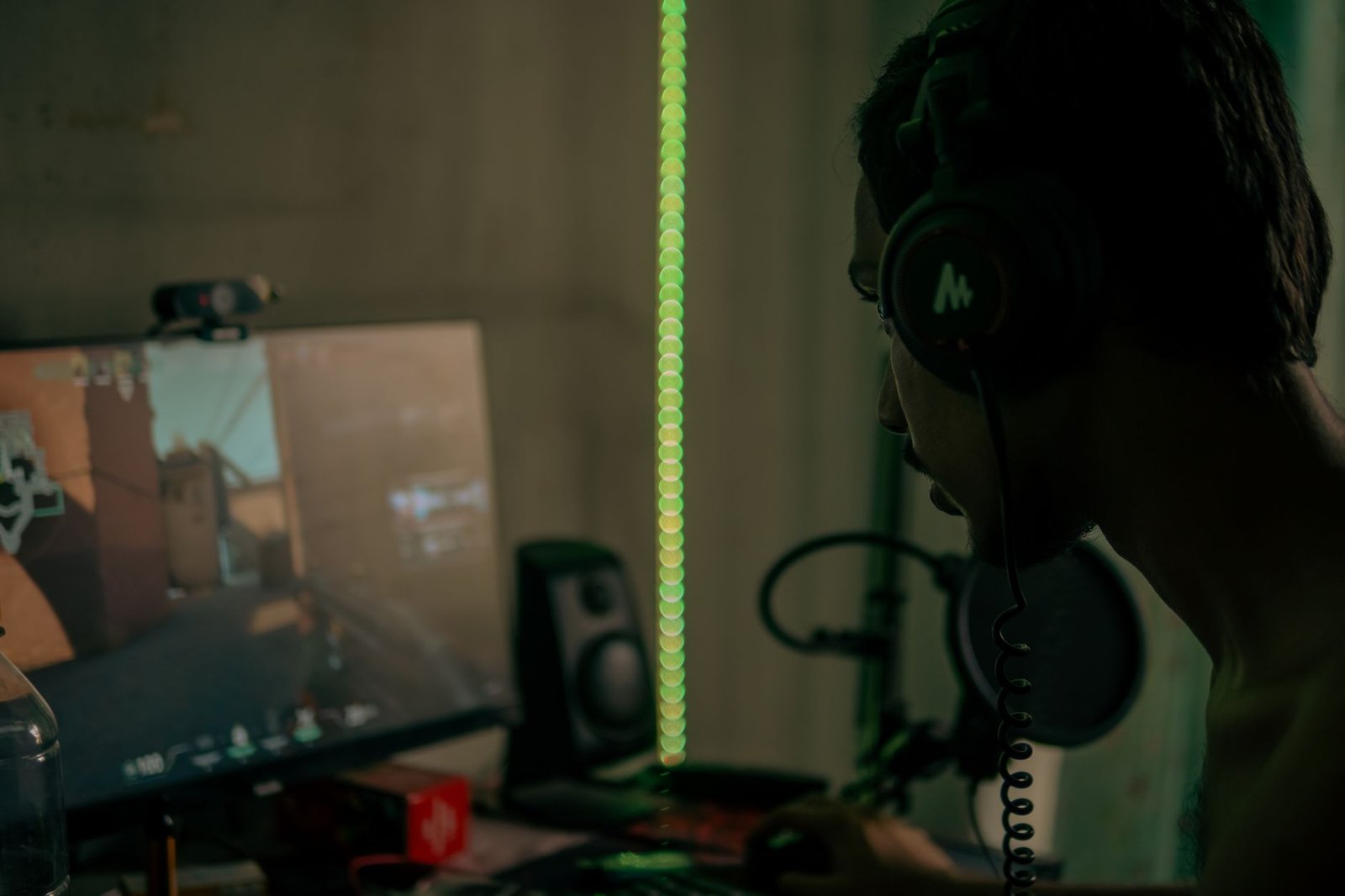
- Indie developers are small teams or individuals creating games with unique visions.
- In 2026, indie games are crucial for innovation, pushing genres and mechanics forward.
- Many popular game mechanics and genres we see today started as indie innovations.
- Discovering indie gems often involves exploring platforms like Steam, itch.io, and social media.
- Supporting indie developers directly helps fund future creative projects in gaming.
The Rise of the Indie Spirit
For a long time, making games required massive teams and expensive hardware. You needed big studios to create anything complex. Then, digital distribution changed everything. Platforms like Steam, GOG, and mobile app stores allowed anyone to sell their games directly to players. This lowered the barrier to entry significantly.
Suddenly, small teams with big ideas could find an audience. They didn’t need a publisher to fund them or distribute physical copies. This led to an explosion of creativity. We started seeing games that were experimental, artistic, or just plain weird in the best possible way. Many of these games explored themes and gameplay styles that AAA studios might have considered too risky.
Innovation Born from Constraints
One of the most fascinating things about indie games is how limitations can breed innovation. When you don’t have a billion-dollar budget, you have to be smart. You can’t just throw money at problems. Indie developers often focus on a core mechanic or a unique concept. They perfect that idea instead of trying to do everything.
Think about games like *Papers, Please*. It’s a game about being a border control agent. The gameplay is simple: check documents. But the story and the moral choices you face are incredibly powerful. The game doesn’t have flashy graphics. Its strength is its smart design and compelling narrative. Another example is *Stardew Valley*. It’s a farming simulation game with a lot of heart. It was created by a single developer, Eric Barone, also known as ConcernedApe. He spent years working on it. The game became a massive success because of its depth and charming world.
Pushing Genre Boundaries
Indie developers are not afraid to mix genres or invent new ones. They take established formulas and twist them into something fresh. This is why so many trends in gaming start with indie titles.
Consider the roguelike genre. Games like *Hades* and *Dead Cells* have brought this genre to a huge audience. Roguelikes are known for their procedural generation, permadeath, and challenging gameplay. These elements force players to adapt and learn with each playthrough. Indie developers have refined these concepts, making them more accessible and engaging.
Even survival and sandbox games, which are now huge AAA genres, owe a lot to early indie efforts. Games like *Minecraft*, initially an indie project, showed the world the power of player-driven creation and exploration. This style of open-ended gameplay continues to influence game design across the industry. The rise of the immersive sandbox owes a lot to these early, player-focused titles. How Games Are Teaching Us to Think Differently in 2026 also touches on how player agency in games is evolving.
The Artistry of Indie Games
Beyond gameplay, indie games often shine in their artistic presentation. Without the pressure to appeal to the broadest possible market, developers can pursue unique art styles. We see games with pixel art that rivals classic eras, hand-drawn animations that feel alive, and abstract visuals that provoke thought.
Sound and music are also areas where indies often excel. Because they aren’t bound by typical blockbuster soundscapes, indie composers can experiment. This leads to incredibly memorable soundtracks. Think of the melancholic piano in *Celeste*, a game about mental health and climbing a mountain. Or the retro synthwave soundtrack of *Hotline Miami*, which perfectly complements its brutal action. These games prove that powerful emotional experiences don’t always need the most advanced graphics.
Where to Find Indie Gems
Discovering these unique titles is part of the fun. While major platforms like Steam have dedicated indie sections, there are other places to look.
Itch.io is a fantastic platform. It hosts thousands of games, many of them experimental or free. It’s a great place to find very early prototypes or unique small projects. Developers often use itch.io to share their work directly with players and get feedback.
Social Media and Communities are also vital. Following indie developers on Twitter (now X), Mastodon, or YouTube can give you a direct line to upcoming projects. Joining game development forums or Discord servers dedicated to indie games can also lead to great discoveries. Many developers share their progress, ask for feedback, and even run playtesting sessions.
Gaming News Sites and Content Creators that focus on indies are invaluable. Many websites and YouTube channels specifically highlight new and interesting indie releases. Finding reviewers or streamers who share your taste in games can introduce you to titles you might have otherwise missed.
The Business of Being Small
It’s not always easy being an indie developer. Many games struggle to find an audience. The market is crowded, and marketing can be expensive. Developers often wear many hats: programmer, artist, writer, marketer, and community manager.
Despite the challenges, the success stories are inspiring. Games like *Hollow Knight* by Team Cherry, or *Slay the Spire* by MegaCrit, have achieved massive success. They started small and grew through word of mouth and sheer quality. These successes not only reward the developers but also encourage more creative projects.
The financial landscape for indies in 2026 is still evolving. While crowdfunding platforms like Kickstarter and Patreon offer some funding options, many still rely on sales from digital storefronts. Some developers manage to get publisher deals, but these often come with creative compromises.
A Look at Indie Genres and Styles
The variety of indie games is astounding. Here’s a small taste of what you can find:
| Genre | Key Features | Example Game (2026 Context) |
|---|---|---|
| Narrative Adventure | Focus on story, characters, and player choice. Often explores mature themes. | Whispers of the Old City (Hypothetical 2026 Release) |
| Cozy Games | Relaxing gameplay, often involving crafting, farming, or social simulation. Low stakes. | Lunar Bloom Cafe (Hypothetical 2026 Release) |
| Metroidvania | Exploration-heavy platformers with interconnected maps and ability-gated progression. | Chrono Weaver (Hypothetical 2026 Release) |
| Deck-Building Roguelike | Combines card game mechanics with roguelike progression and combat. | Voidbound Gambit (Hypothetical 2026 Release) |
| Experimental/Art Games | Focus on unique mechanics, artistic expression, or pushing the boundaries of what a game can be. | Synapse Symphony (Hypothetical 2026 Release) |
These examples are hypothetical for 2026, but they represent current trends in indie development. The creativity shown in these genres is a hallmark of independent game making.
Supporting the Future of Gaming
Why should you, as a player, care about indie games? Because they are the lifeblood of innovation. They are where new ideas are born and tested. If we only played AAA games, gaming would become stale very quickly.
When you buy an indie game, you’re not just getting a product. You’re supporting a dream. You’re helping a small team continue to create. You’re also investing in the future diversity of games. The next big trend, the next genre-defining hit, could very well come from a small studio working out of a garage or a spare bedroom.
In 2026, the line between AAA and indie continues to blur in some ways. Some indie studios grow large, and AAA games sometimes adopt indie sensibilities. But the core spirit of independent development, creativity, passion, and a unique vision, remains distinct and incredibly valuable.
Frequently Asked Questions
What is an indie game?
An indie game is a video game created by an individual or a small team of developers who are not financially supported by a large game publisher. They often have more creative freedom.
Are indie games always cheaper than AAA games?
Generally, yes. Indie games are often priced lower than major AAA releases. However, prices can vary, and some highly anticipated or larger indie projects might be priced closer to mid-tier AAA games.
How can I find new indie games to play?
You can discover indie games on digital storefronts like Steam and itch.io. Following indie game news sites, YouTube channels, and engaging with developer communities on social media are also great ways to find new titles.
Do indie games have good graphics?
Graphics quality in indie games varies greatly. Some indie games feature stunning, cutting-edge visuals, while others intentionally use simpler styles like pixel art or hand-drawn graphics to focus on gameplay, story, or artistic vision.
What is the risk of buying an indie game?
The main risk is that an indie game might not be to your taste or could have technical issues, as smaller teams may have fewer resources for extensive testing. However, many platforms offer refund policies if you encounter significant problems shortly after purchase.
Can indie games become as popular as AAA games?
Yes, absolutely. Games like *Minecraft*, *Stardew Valley*, and *Among Us* started as indie projects and achieved massive global popularity, sometimes even surpassing AAA titles in player counts and cultural impact.
So next time you’re looking for a new game, consider stepping off the beaten path. Explore the incredible world of indie development. You might just find your next favorite game, crafted with passion and a vision all its own.