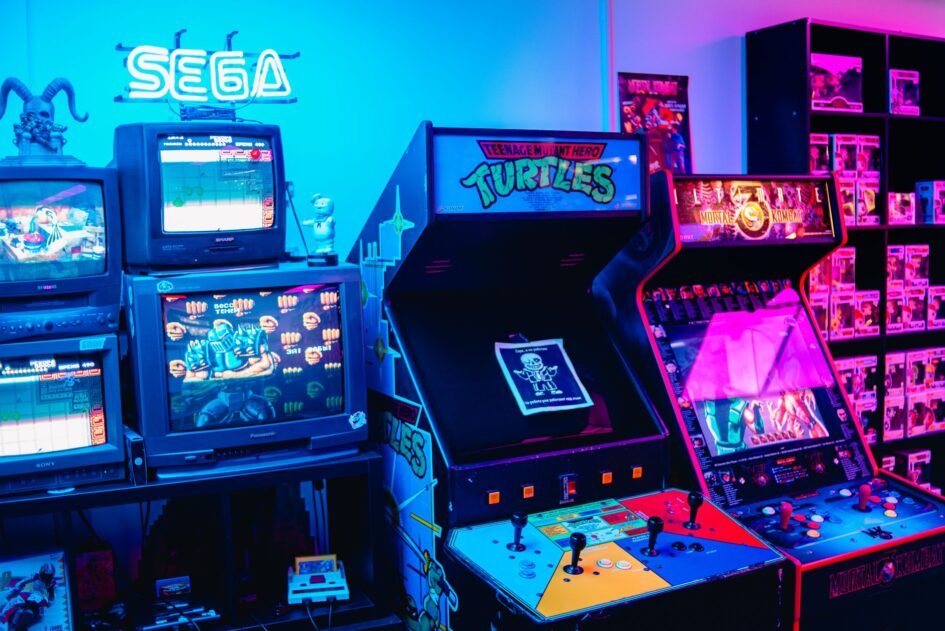
You know those games that just pull you in? The ones where you feel like you’re really there? A lot of that magic comes from how the game sounds. It’s not just background noise. It’s carefully crafted sound that makes everything feel real.
Think about it. When you hear a distant dragon roar in an RPG, it tells you danger is near. When you hear the *thwip* of a web shooter in a superhero game, you know you’re playing as Spider-Man. Sound design is a huge part of why we love these digital worlds.
More Than Just Noise

Game sound design is a whole field on its own. It involves creating and placing all the audio you hear in a game. This includes music, sound effects, and even the voices of characters. It’s a huge job, and the people who do it are often called sound designers or audio directors.
They don’t just grab sounds from a library. They often record their own sounds. They might use Foley artists, who create everyday sounds like footsteps or the rustle of clothing, by performing actions in a studio. They also use specialized microphones and software to make these sounds fit perfectly into the game.
Making Worlds Feel Alive
One of the biggest jobs of sound design is making game worlds feel real. Imagine playing a survival game. The sound of wind howling, a twig snapping behind you, or the distant growl of a creature all add to the tension. These sounds make you feel present in the world.
In a big city game, the sounds of traffic, distant sirens, and people talking create a believable urban environment. Even subtle sounds, like the creak of a door or the drip of water in a cave, add layers of detail. This makes the game world feel more solid and believable.
The Power of Music
Music is also a huge part of game audio. It sets the mood for different situations. A spooky track might play when you’re exploring a haunted house. An epic orchestral score might kick in during a boss battle. The right music can make a game much more exciting or emotional.
Sometimes, music is dynamic. It changes based on what’s happening in the game. If you’re in combat, the music might get faster and more intense. When you’re safe, it might become calm and peaceful. This way, the music is always working with the gameplay.
Character Voices and Impact
Voice acting is another key part of sound design. The way characters speak can tell you a lot about them. Are they tough? Are they scared? Are they wise? Good voice actors bring characters to life and make them memorable.
Think about iconic video game characters. Their voices are often as famous as their looks. Think of Mario’s “It’s-a me, Mario!” or Master Chief’s stoic delivery. These voices stick with us and become part of the character’s identity.
Beyond the Obvious: Subtle Sound Design Tricks
Sound designers also use clever tricks to make games better. They might use audio cues to guide players. For example, a specific sound might play when a secret passage is nearby. This helps players discover hidden areas without needing on-screen prompts.
They also use sound to communicate information about gameplay mechanics. In a shooter, the distinct sound of a specific weapon firing can tell you what kind of gun an enemy is using. This helps you react faster and plan your strategy.
Audio for Immersion
The goal of good sound design is immersion. It’s about making you forget you’re holding a controller or looking at a screen. It’s about making you feel like you’re actually part of the game’s story and world.
This is especially true for horror games. The sound of creaking floorboards, whispers in the dark, or sudden loud noises can really get under your skin. Sound design is essential for building fear and suspense in these games.
The Technical Side of Sound
Creating all these sounds is also a technical challenge. Game engines, the software used to build games, have complex audio systems. Sound designers need to understand how these systems work to implement their audio effectively.
They have to think about things like how sound travels in the game world. Does it echo in a cave? Does it get muffled by walls? They also have to make sure the game runs smoothly and doesn’t get bogged down by too much audio processing.
The Evolution of Game Audio
Game audio has come a long way since the early days. The simple beeps and boops of 8-bit games were revolutionary then. But now, we have incredibly detailed soundscapes that rival movies.
Early consoles like the Atari and NES had very basic sound chips. These could only produce a few simple tones at once. Games like Pac-Man and Super Mario Bros. used this limited sound to create iconic jingles and sound effects.
As technology improved, so did game audio. The Super Nintendo and Sega Genesis brought more advanced sound capabilities, allowing for more complex music and sound effects. The jump to CD-ROM based consoles like the PlayStation and Sega Saturn was a massive step. This allowed for fully recorded speech and high-quality music.
Today, with powerful PCs and consoles like the PlayStation 5 and Xbox Series X, sound design can be incredibly sophisticated. We have technologies like spatial audio, which simulates sound coming from specific directions around you. This makes games feel even more immersive.
The Rise of Esports and Sound
In the world of esports, sound is critical. Professional players rely on audio cues to gain an edge. The sound of an enemy’s footsteps, a reload animation, or a specific ability being used can give them vital information.
In competitive games like Valorant or Counter-Strike 2, hearing an opponent around a corner before you see them can be the difference between winning and losing a round. This is why high-quality headsets are a must-have for esports players.
Discovering Hidden Audio Gems
Sometimes, developers hide little audio treats in their games. These are called easter eggs. They might be funny sound effects, hidden messages, or references to other games or media.
For example, in some games, if you stand still for a long time, a character might start humming a tune or say something unexpected. These small details add personality to the game and reward players who pay close attention.
The Future of Game Sound
What’s next for game sound? We’re seeing more advancements in AI-generated audio, which could lead to more dynamic and responsive soundscapes. Virtual reality (VR) is also pushing the boundaries, with spatial audio becoming even more important for creating believable VR experiences.
Imagine a VR game where you can pinpoint the exact location of a sound in 3D space. This could make games incredibly realistic. Sound designers will continue to play a crucial role in shaping how we experience these new technologies.
Final Thoughts on Sound
So, the next time you play a game, take a moment to really listen. Pay attention to the music, the sound effects, and the voices. You might be surprised at how much work goes into making those sounds. Good sound design is one of the key ingredients that make video games so special and immersive.
It’s the subtle cues, the atmospheric details, and the impactful moments that sound design provides that truly bring digital worlds to life. It is a fundamental aspect of game development that continues to evolve. The latest gaming consoles, like the PlayStation 5 and Xbox Series X, offer incredible audio fidelity that developers are using to create even more immersive experiences.
Leave a Reply