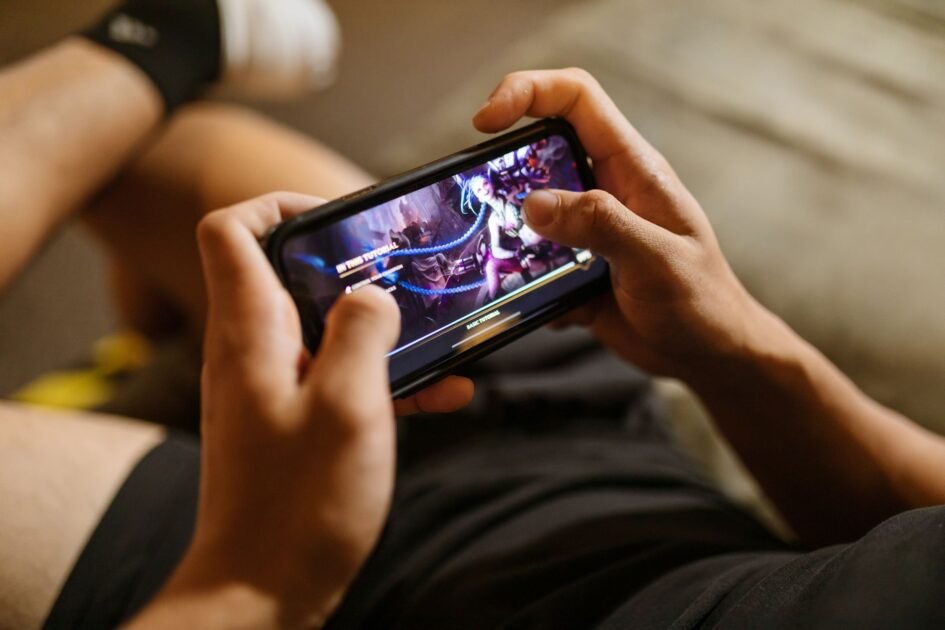
I remember a time when playing video games felt like a test. If you could not keep up with fast button presses or read tiny text, you just missed out. Luckily, those days are fading fast. We are in 2026, and the world of digital gaming is changing for the better. It is embracing something truly important: accessibility. This means more people than ever can enjoy their favorite games.
You might be wondering what “game accessibility” really means. It is about removing barriers that prevent players with disabilities from enjoying games. These barriers could be related to sight, hearing, movement, or thinking. When developers think about accessibility, they make sure everyone has a fair chance to play and have fun. This effort benefits many players, not just those with disabilities. For example, a parent trying not to wake a sleeping baby might appreciate subtitles.
From Niche to Mainstream: The Rise of Inclusive Design
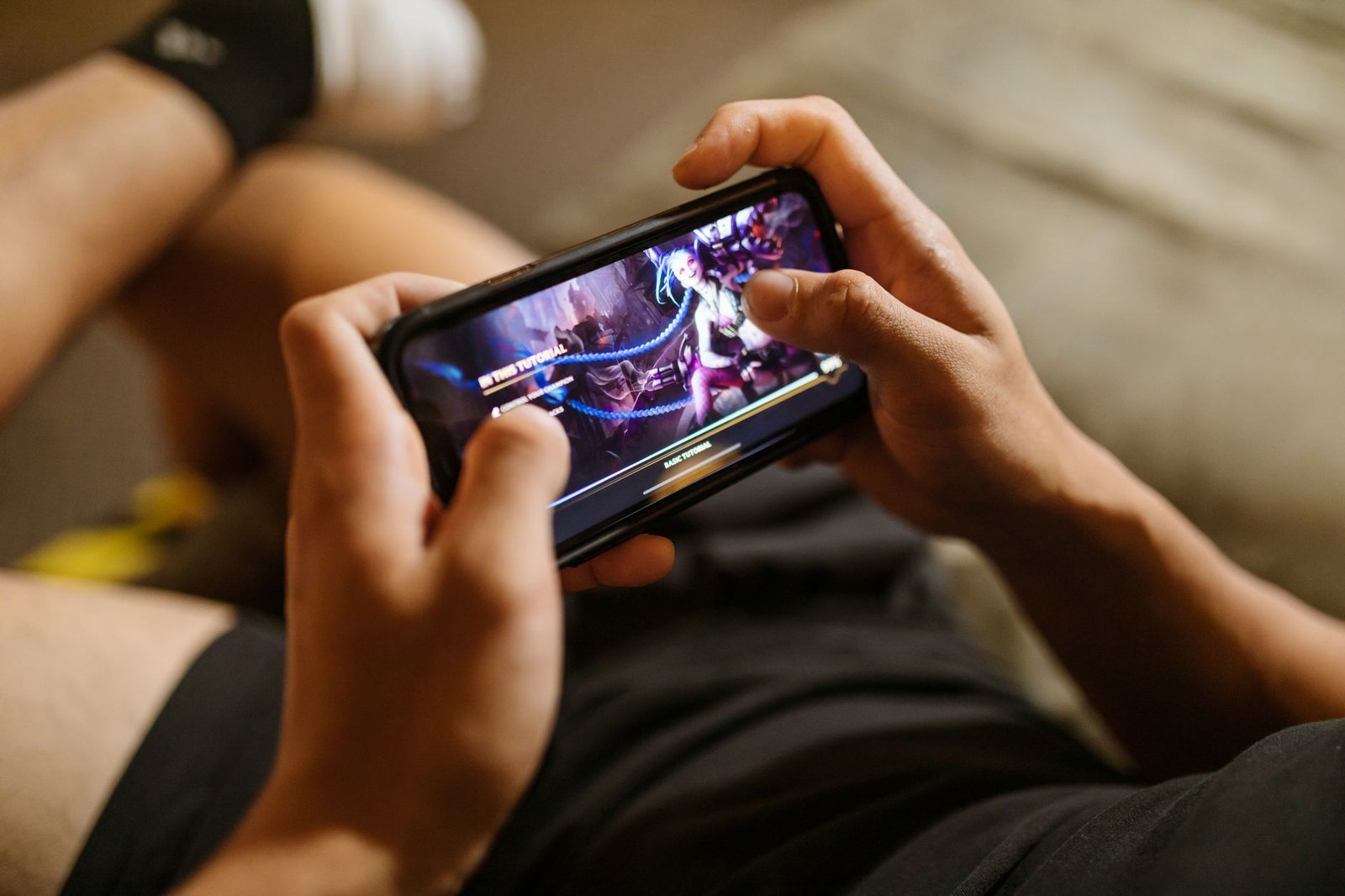
Accessibility in gaming used to be a niche idea, almost an afterthought. Early games rarely offered more than basic difficulty settings, if anything. You either adapted to the game, or you simply could not play. But a lot has changed. Over the past few years, there has been a quiet revolution. Major studios and independent developers are now building accessibility right into their games from the start.
This shift is not just good PR. It reflects a growing understanding that gaming should be for everyone. The industry knows that games welcoming a wider audience will attract more players and build stronger communities.
Key Features Making a Difference Today
Modern games offer a huge range of accessibility features. These features cater to different needs, making sure more players can have a great experience. Here are some of the most common and impactful ones we see in 2026:
Customizable Controls
One of the biggest changes is the ability to remap controls. You can change which button does what. This is huge for players with limited hand mobility. Some games even offer one-handed modes or the option to toggle actions instead of holding down a button. Microsoft’s Xbox Adaptive Controller, released in 2018, showed how hardware could help, but now many games integrate these options directly into their software.
For example, titles like EA Sports FC 26, which won an award for AAA excellence in 2025, offer highly customizable controls. It has many settings to help with shooting, passing, defending, switching players, and dribbling. These settings can ease extended play sessions.
Visual Aids for All Eyes
Seeing clearly is vital for most games. But not everyone sees the same way. Many games now include colorblind modes, which adjust colors to be more distinct. They also offer larger text sizes and UI scaling, so menus and subtitles are easy to read. High-contrast modes are also becoming common. These settings make sure important elements stand out against the background.
Games like Assassin’s Creed Shadows, a 2025 winner for Best Deaf & hard of hearing accessibility, and Doom: The Dark Ages, recognized for motor/mobility accessibility, show how thoughtful design can help.
Audio Adjustments for Clear Sound
Sound is a big part of gaming, but not everyone can hear perfectly. Good accessibility means robust subtitle options, including speaker names and even sound effects. Visual sound cues, like on-screen indicators for nearby enemies or important noises, are also a game-changer. Some games allow mono audio, which sends all sound to both ears. This helps players who might have hearing in only one ear.
A game from 2016 called “A Blind Legend” showed how powerful audio cues can be. It had no visuals, only sound, and you played as a knight who rescued his wife using audio alone. It was a unique experience for visually impaired gamers.
Flexible Difficulty Settings
Difficulty used to be a simple choice: Easy, Medium, Hard. Now, many games offer much more granular control. You can adjust specific aspects of difficulty, like enemy health, damage, or even the speed of quick-time events. Some games even let you skip puzzles that might be too hard or time-consuming for some players.
Cognitive Accessibility
Beyond physical and sensory needs, games are also starting to consider cognitive accessibility. This involves reducing UI clutter, providing clearer objectives, and offering guided modes. The goal is to make sure players can understand the game’s mechanics and story without feeling overwhelmed. Think about the navigation assistance found in games like The Last of Us Part II.
Developers Leading the Charge
Many big names in the industry are now making accessibility a priority. Activision Blizzard, for example, has made significant improvements in titles like Call of Duty Modern Warfare III and Diablo 4. They worked with organizations like AbleGamers to develop these features.
Electronic Arts was named the “Most Dedicated Publisher” at the GACONF Awards 2025. Their game EA Sports FC 26 won “AAA excellence” for its accessibility. Bethesda, acquired by Microsoft, also makes games like Indiana Jones and the Great Circle and Doom: The Dark Ages with many accessibility options.
In 2025, 71% of developers committed to making games accessible. The market for accessibility tools in games was worth about $654.3 million in 2024. This shows how important it is becoming.
The Impact on Gaming Culture
The rise of accessibility does more than just help individual players. It changes gaming culture itself. It promotes inclusivity, making the gaming community more diverse and welcoming. When games are designed for everyone, they become shared experiences that bring people together, regardless of their abilities. This makes the whole gaming world richer.
We see a continuous evolution in accessibility. It is not about revolutionary new features every year, but about refining and consistently adding what players expect. This ongoing dedication is what truly makes a difference.
Looking Ahead: The Future of Accessible Gaming
What is next for game accessibility? I expect even more innovative solutions. We might see more AI-driven accessibility, adapting games dynamically to individual player needs. Standardized accessibility guidelines could become even more widespread, ensuring that almost every new release meets a high bar for inclusivity. Tools like ByoWave Proteus Builder, which won an award for best assistive technology in 2025, show how new inventions will keep helping.
The goal is clear: to make sure anyone who wants to play a game, can play it. The quiet revolution of accessibility is reshaping digital gaming. It is making our virtual worlds more open, more fun, and truly for everyone. This is a huge win for all of us who love games.
Leave a Reply