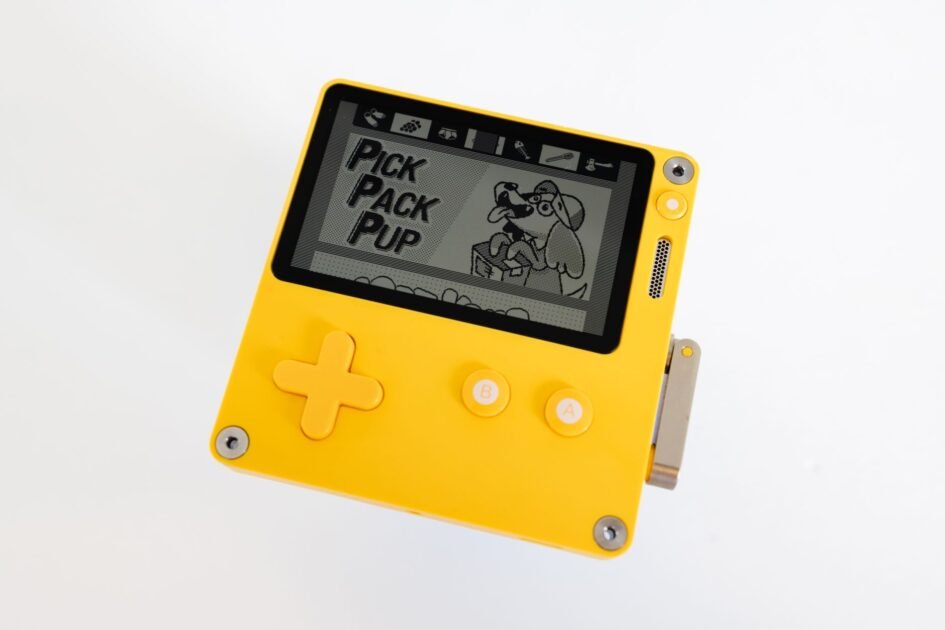
Why Pixels and Polygons Still Charm Us in 2026
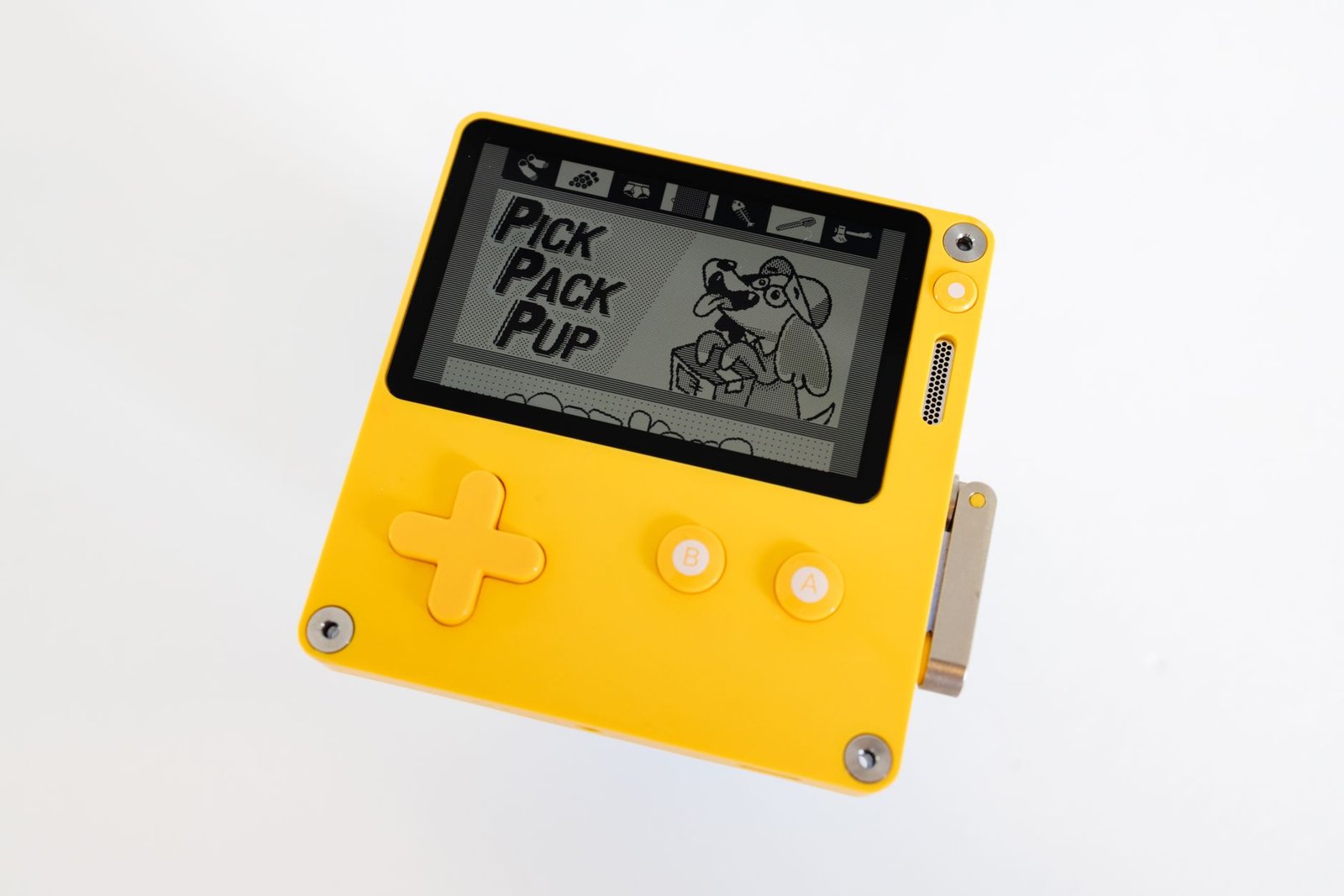
It’s 2026, and we’re living in a world of incredibly realistic graphics. Games can look almost like movies. Yet, something interesting is happening. Many gamers are still drawn to games that look like they came from the 1980s or 1990s. This isn’t just about nostalgia. There’s a real reason why these old-school graphics continue to be popular.
Think about it. We have consoles and PCs capable of rendering worlds with amazing detail. We can see every blade of grass, every wrinkle on a character’s face. But then you see a game with chunky pixels or simple 3D models, and it just grabs you. Why is that?
Pixels: More Than Just Dots
When we talk about retro graphics, we often mean pixel art. This is art made from individual pixels. Games like Stardew Valley, released years ago, still have a huge player base. Its simple pixel graphics are a big part of its charm. Even in 2026, new games are being made with this style. They use it to create worlds that feel both familiar and fresh.
Pixel art has a unique way of suggesting detail without showing it all. Your imagination fills in the gaps. A few carefully placed pixels can represent a character’s expression or a spooky monster. This can sometimes be more effective than a hyper-realistic drawing. It also makes the art style timeless. A well-made pixel game doesn’t age the way a game with early 3D graphics might.
One reason for its appeal is how it makes game design clearer. When everything is made of distinct blocks, the game’s mechanics and world often feel more straightforward. You can immediately understand what is a platform you can jump on, or what is a background element. This clarity is something many modern games struggle with. Sometimes, with too much detail, it’s hard to see what’s important.
Early 3D: The Charm of Blocky Worlds
Then there’s the early 3D era. Think of games from the Nintendo 64 or PlayStation 1 days. These games often had blocky characters and simple textures. They might look crude by today’s standards, but they have a distinct character. Games like Super Mario 64 or The Legend of Zelda: Ocarina of Time are still loved for their worlds and gameplay.
In 2026, there’s a trend of modern games deliberately adopting this low-poly 3D style. Developers are not forced to use this style because of technical limits. They choose it. It gives their games a unique look that stands out. It also can make games run well on a wider range of hardware. This means more people can play them.
This style also has a certain artistic honesty. It doesn’t try to fool you into thinking it’s real life. It embraces its digital nature. This can be very refreshing. It allows developers to create imaginative worlds that might be too expensive or complex to render realistically.
Why We Keep Coming Back
So, why are these older graphics styles still so strong in 2026? It’s not just about remembering the past. There are practical and artistic reasons.
Clarity and Focus
Retro graphics often force a focus on core gameplay. When the visuals are simpler, the player’s attention is naturally drawn to the mechanics. What do I do? How do I win? This is especially true in genres like puzzle games or platformers. The visual style supports the gameplay rather than distracting from it.
Imagination and Suggestion
As I mentioned, simpler graphics rely on the player’s imagination. This creates a more personal connection to the game world. The player is an active participant in building the experience in their mind. This is a different kind of engagement than passively observing a hyper-realistic scene.
Performance and Accessibility
Games with simpler graphics are generally less demanding on hardware. This makes them accessible to a wider audience. Many players in 2026 might not have the latest, most expensive gaming PC or console. Retro-style games ensure that high-quality gaming experiences are available to everyone.
Artistic Choice and Identity
For many developers, especially in the indie scene, choosing a retro aesthetic is an artistic statement. It helps their game stand out in a crowded market. It gives the game a distinct identity. It shows that the developers are thoughtful about their art direction.
New Twists on Old Styles
It’s important to remember that these aren’t just copies of old games. Modern developers are taking these retro styles and pushing them in new directions. They combine classic pixel art with modern game design principles. They use low-poly 3D models but add incredibly complex physics and gameplay systems.
For example, we see pixel art games that feature incredibly deep simulation mechanics or complex narrative structures. We see early 3D-style games that offer massive open worlds with emergent gameplay. The technology of 2026 allows for a level of polish and depth within these retro styles that simply wasn’t possible decades ago.
Developers are also experimenting with how these styles can be presented. Some games use dynamic lighting with pixel art. Others use modern animation techniques on low-poly models. This creates a look that is clearly retro but also feels fresh and new. It’s a fusion of old and new, creating something truly unique.
The Future is Nostalgic (and Pixelated)
As we look ahead, it’s clear that retro graphics are not going anywhere. They offer a different, often more focused, way to experience games. They invite our imagination. They provide a unique artistic direction.
The games that use these styles in 2026 are not just games for people who miss the past. They are games for anyone who appreciates clear design, imaginative worlds, and focused gameplay. They prove that you don’t need the most advanced graphics to create a memorable and engaging gaming experience.
So, the next time you see a game with chunky pixels or blocky 3D models, don’t dismiss it. It might just be the most interesting game you play all year. It shows that in the world of gaming, sometimes looking back is the best way to move forward. This trend shows a growing appreciation for art style over raw graphical power, a valuable lesson for game development moving forward.
Leave a Reply